BACK TO SCHOOL
This week was mostly filled with ad-hoc matters and there was not much of a formal lesson going on. Yet, I still had first day jitters. We have a presentation to prepare for next week and I only have one thing on my mind. What if my topic does not make sense?
I will admit. I did not do much additional reading during the semester break. Most of my time was spent completing my internship and catching up with friends and family. Looking back, I could have used my time wisely to prepare and that would have given me some peace of mind. Enough said, the preparation for the presentation became a useful exercise for me to recap and consolidate my thoughts and knowledge for the topic I will be working on this final year.
WHAT'S MY INTENTION?
To put in layman terms, my topic is basically translating emotions into visuals in real time. This idea was inspired by my experience as a part-time Art Teacher at Newtonshow during my gap year before LASALLE and semester breaks. I noticed how children express their emotions vividly through art. Happy emotions led to bright, playful drawings, while sadness or anger often translated into chaotic outcomes.
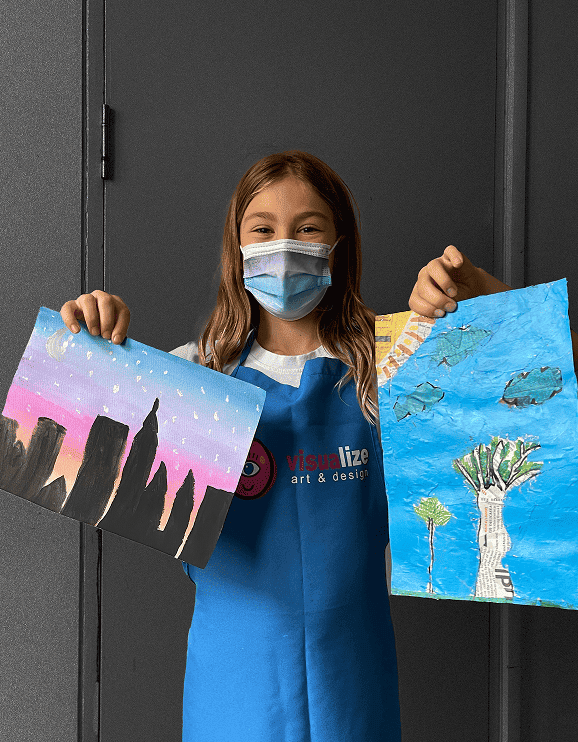
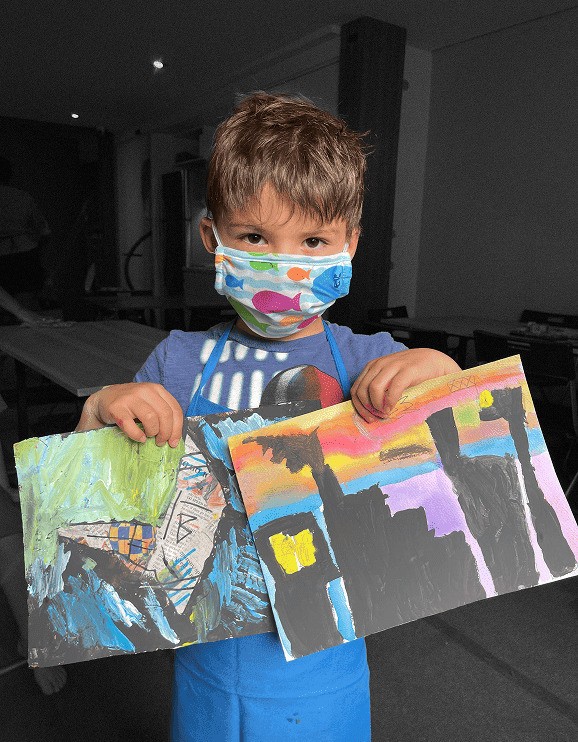
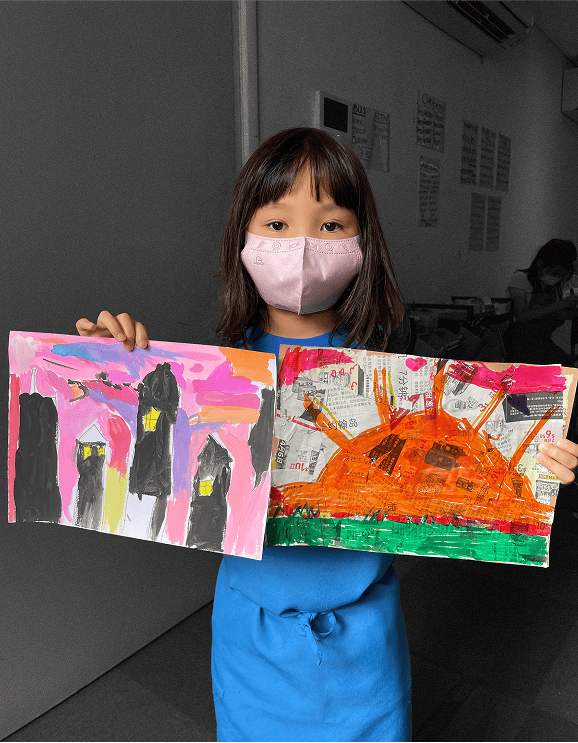
This made me realise how much weight emotions carry in the creative process. It made me wonder if I could capture something that is as intangible as emotions and materialise them into tangible visual experiences. In a way, I want to make emotions easier to be perceived and be reflected.
My initial ideas involved retrieving emotions via biometric data (such as heart beat variability, facial expression etc). In this atelier, I hope to explore how creative coding can foster intimacy between humans and technology. Instead of machines merely serving us functionally, it would be interesting if they can truly understand us and connect everyone emotionally.
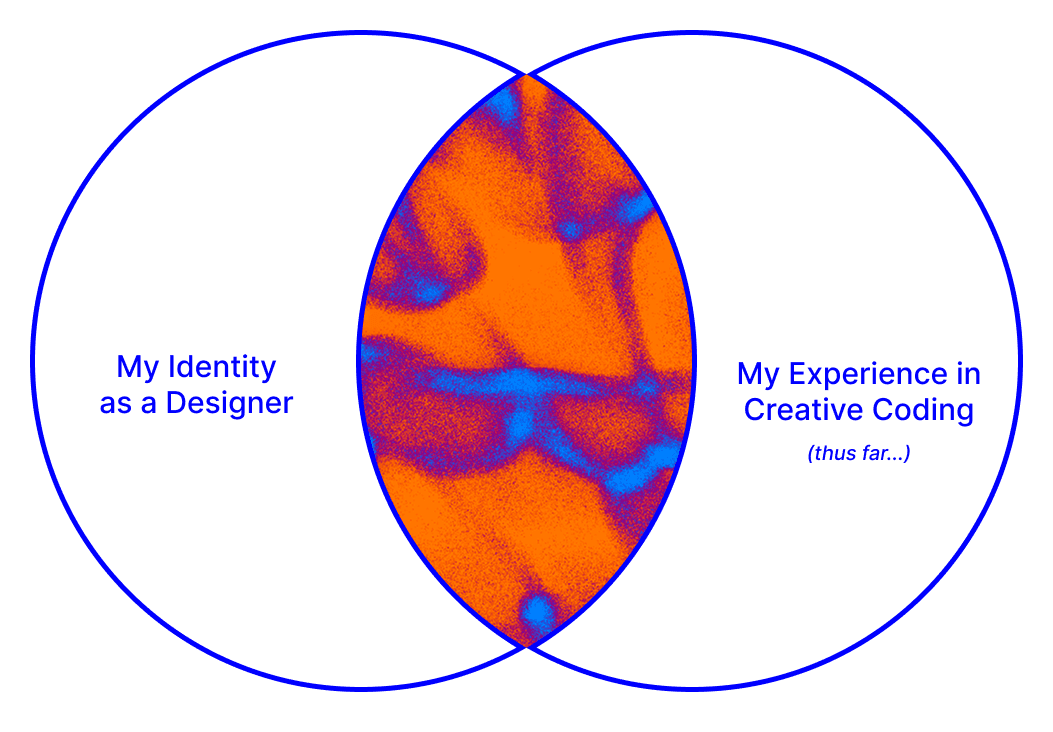
As a designer, I would consider myself as a storyteller. Across my works, I am drawn to emotional clarity and moments of resonance. Since the past two years in LASALLE, I am glad that I have been introduced to creative coding, working with p5.js, Arduino and TouchDesigner. I have been particularly interested in how interactivity can amplify emotional connection.
At its core, what I hope for is that this project isn’t all about flashy visuals, but more about connection. I aim to create work that evokes reflection, memory and feeling. I want people to find beauty in seeing one another’s emotions being materialised and through shared experiences, a sense of empathy is forged and where computation meets humanity.
CURRENT READINGS
From my previous assignment in Year 2, I have 4 supporting readings, which include —
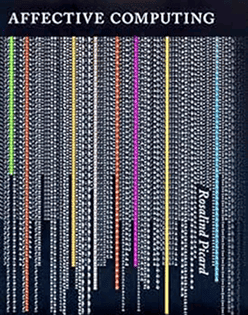
➀ Affective Computing by Rosalind Picard
I think the first reading will provide me with a strong foundation to understand how emotions can be detected and translated into visual or interactive systems. It will serve as a key theoretical resource for my exploration of computational aesthetics via emotional recognition systems (like facial expressions, heart rate and/or vocal tones).
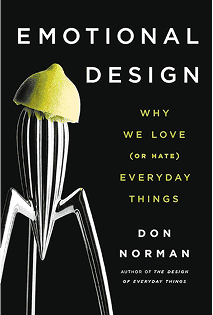
➁ Why Do We Love (or Hate) Everyday Things by Donald Norman
This reading was pretty insightful, and I learnt about the 3 levels of design framework — Visceral (appearance), Behaviour (functionality) and Reflective (meaning). It will help me in my decision making process. Do I value it being emotionally resonant, highly functional or purely decorative? It positions aesthetics as a critical component, deeply tied to how users connect with design.

➂ Mythologies by Roland Barthes
I am going back with a reading from Year 1. This book will help me think about semiotics and how cultural symbols and signs influence the way we interpret emotions.
➃ Affective Dialogue System by Multiple Authors
On the other hand, there is a chapter by Patrick Gebhard and Elisabeth André that I find particularly interesting. They demonstrated how non-verbal design (like colour, gesture and expression) can communicate affect. It pushes me to consider how subtle design elements might serve as emotional signifiers in my own work.
EXISTING PROJECTS
Looking at precedents has been valuable in clarifying the direction of my project too.
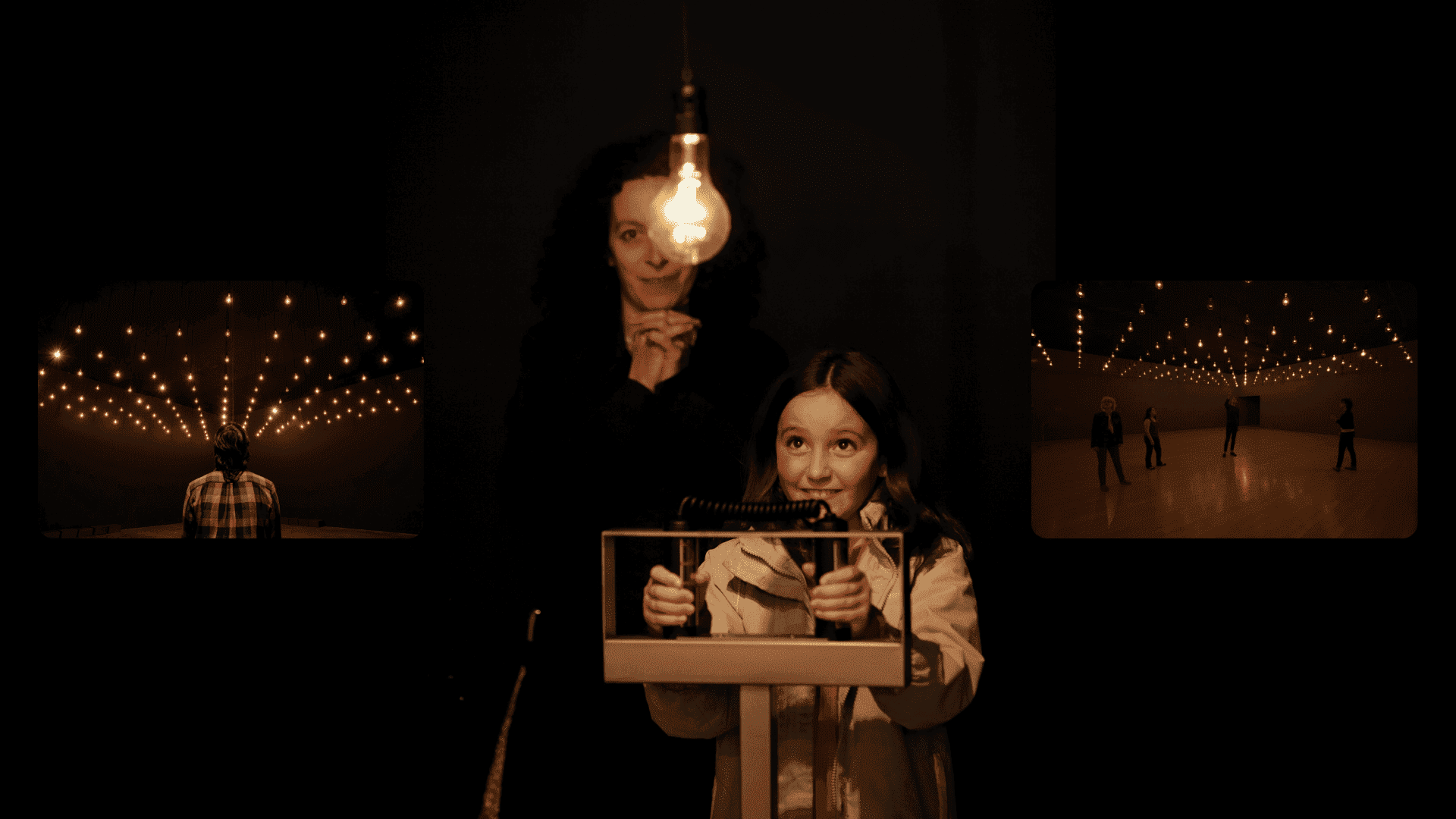
➀ Pulse Room by Rafael Lozano-Hemmer. This installation translates participants; heartbeats into flickering light bulbs. I find it inspiring how something as personal and invisible as a pulse becomes a shared, collective experience. It show the power of biometric data to generate intimacy, turning the body’s inner rhythm into a visible connection with others.
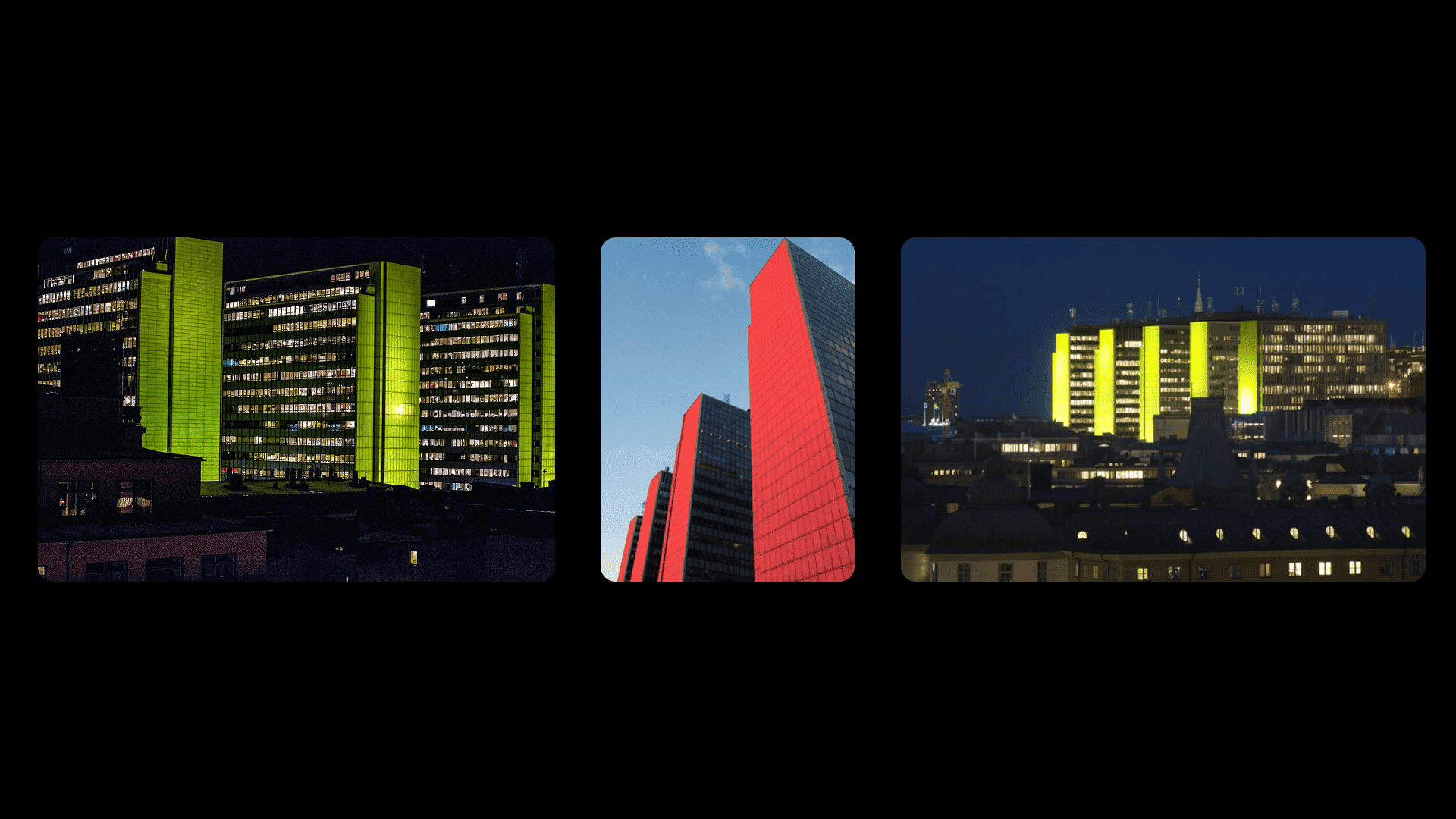
➁ Emotional Cities by Erik Krikortz. The project mapped the emotions of an entire population and displayed them as coloured lights on city buildings. What intrigued me was how I misread the colours. I assumed red meant anger. But in fact, it represented happiness, while purple meant sadness. This misalignment revealed how interpretation of emotions can be culturally or contextually coded. For my project, it reminds me to consider how audiences will read the emotional visuals I create and whether those readings will align with or challenge their expectations.
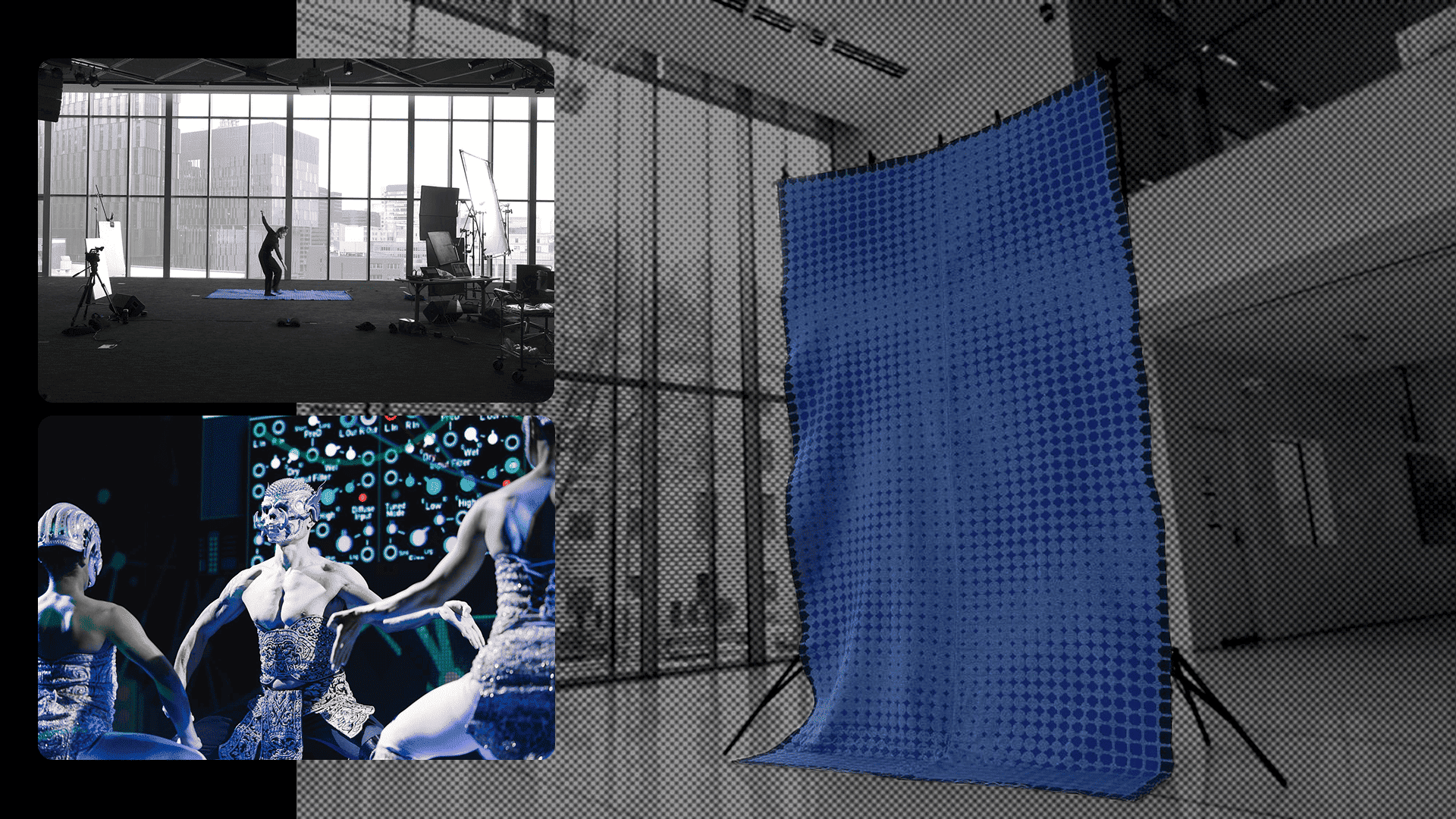
➂ Tapis Magique by Irmandy Wicaksono. This choreomusical carpet translates bodily pressure and motion into sound. Although it doesn’t produce visuals, it highlights how physical input can trigger immersive outputs. What excites me here is the vast potential in using this artefact during performances. It shows how interaction with a system can generate a multisensory experience. It helps me to think about whether my own project could extend beyond visuals. I could potentially look into sound or haptic feedback, further strengthening the link between body and emotion.
These projects reinforce my idea that emotions can foster new forms of empathy when materialised. They show me that translating inner states into shared experiences is not only possible but deeply impactful too.