MAKING SEMESTER 2 CATALOGUE
For this semester, I decided to code my ‘Catalogue of Making’ again, but with a different approach. I wanted to explore a new template that incorporates a “scrolly-telling” experience where content unfolds progressively as the user scrolls. I began by sketching out the layout by hand before translating it into a more refined version on Figma.
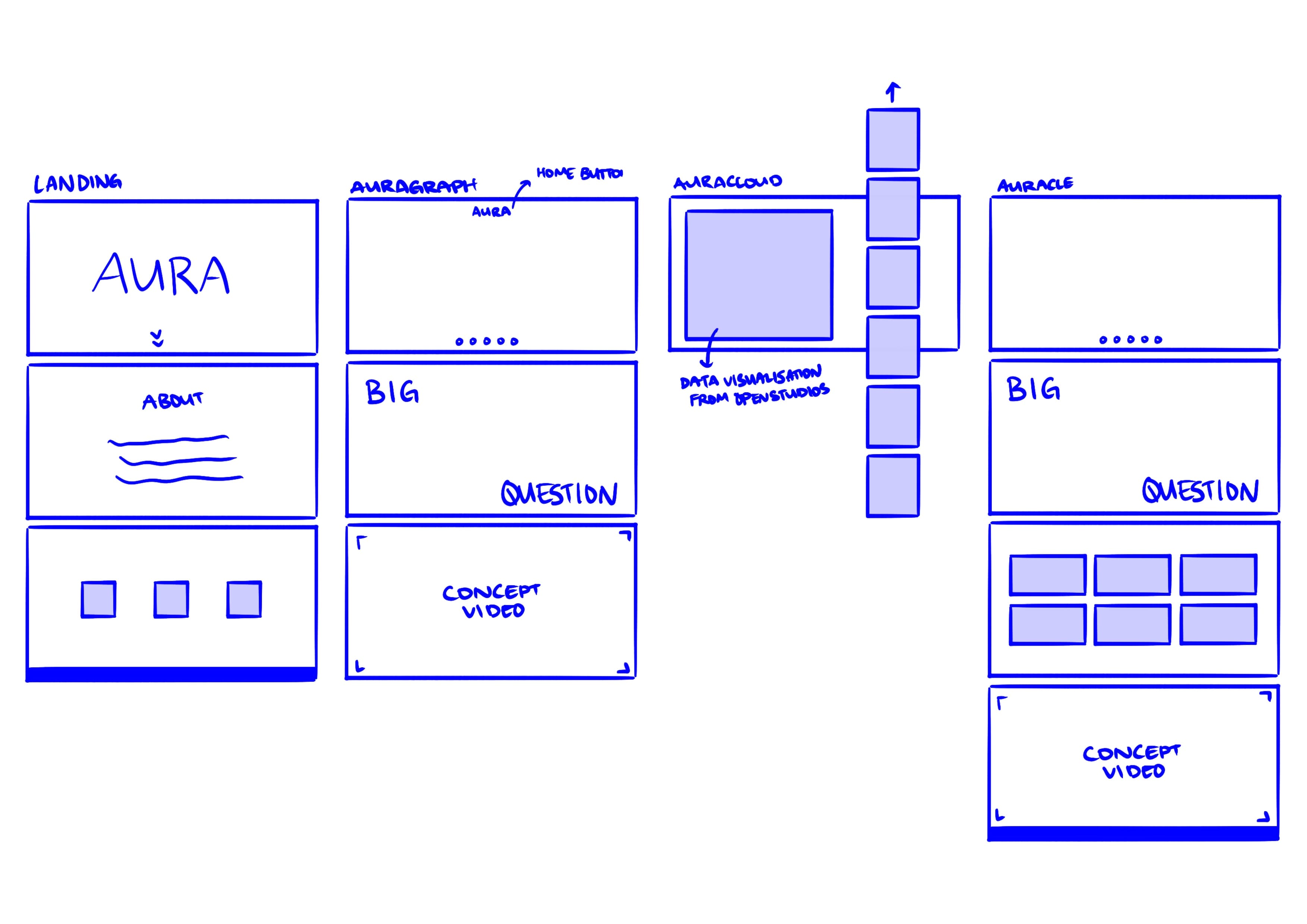
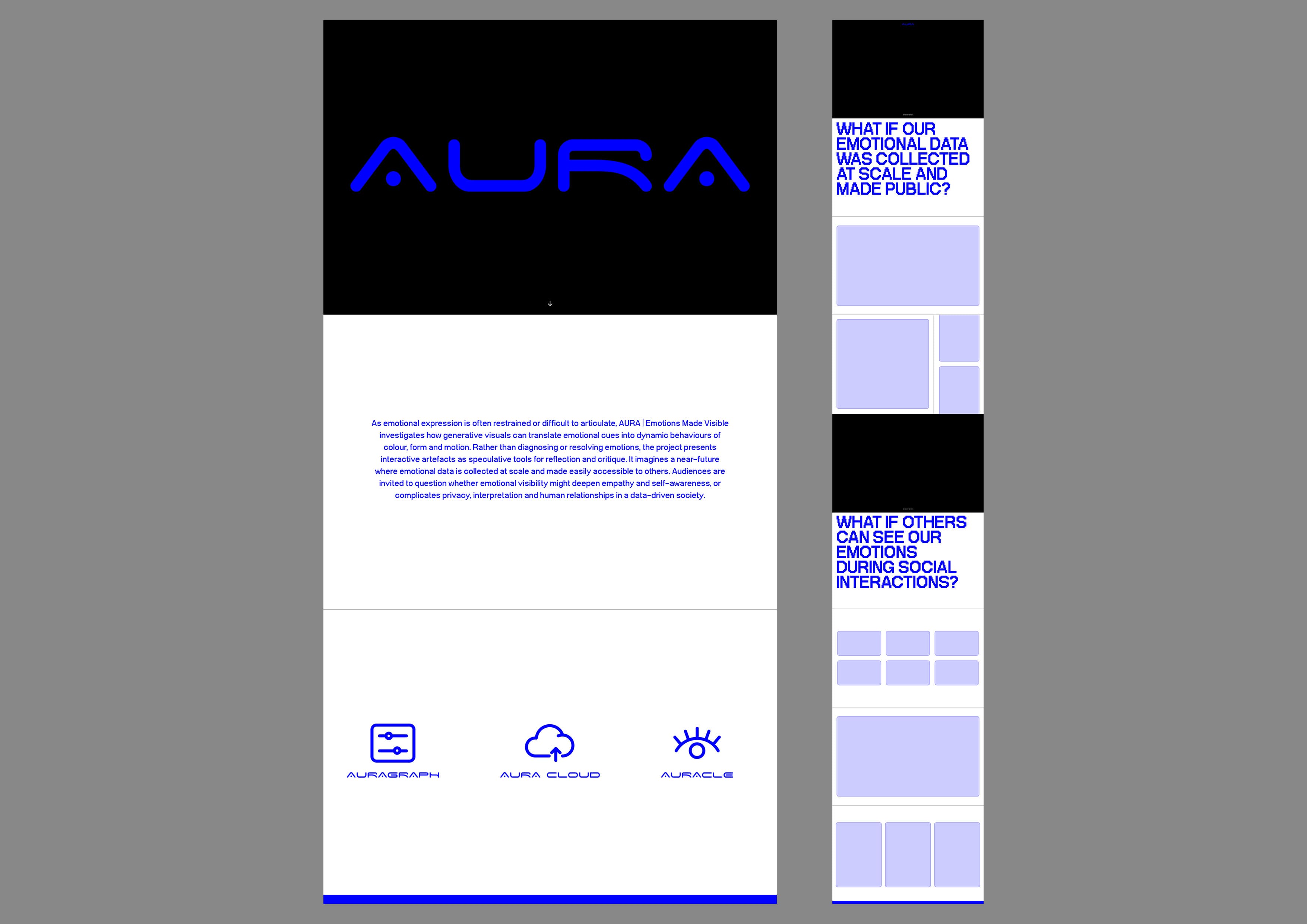
To optimise my workflow, I consulted Ethel who suggested using Google AI studio. I provided a detailed prompt along with my Figma layout as reference. I was genuinely surprised by how closely the generated website matched my intended design. It was both impressive and unsettling to see how quickly AI could translate design intent into functional code.
However, one major drawback was that the structure and syntax of the generated code differed significantly from what I am familiar with. I was initially tempted to rely entirely on AI and “vibe-code” my way through the process, but I realised this would limit my understanding and control over the website.
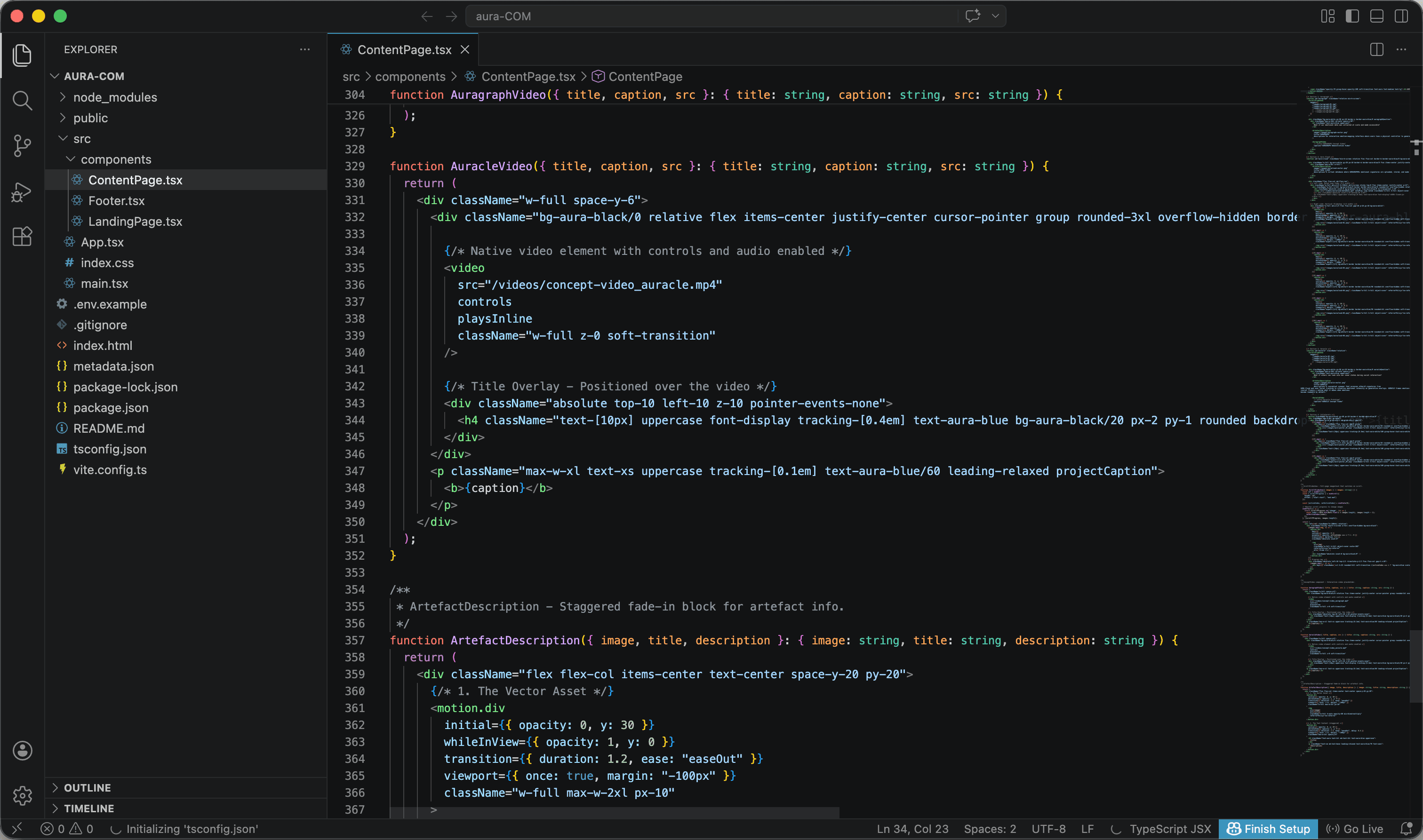
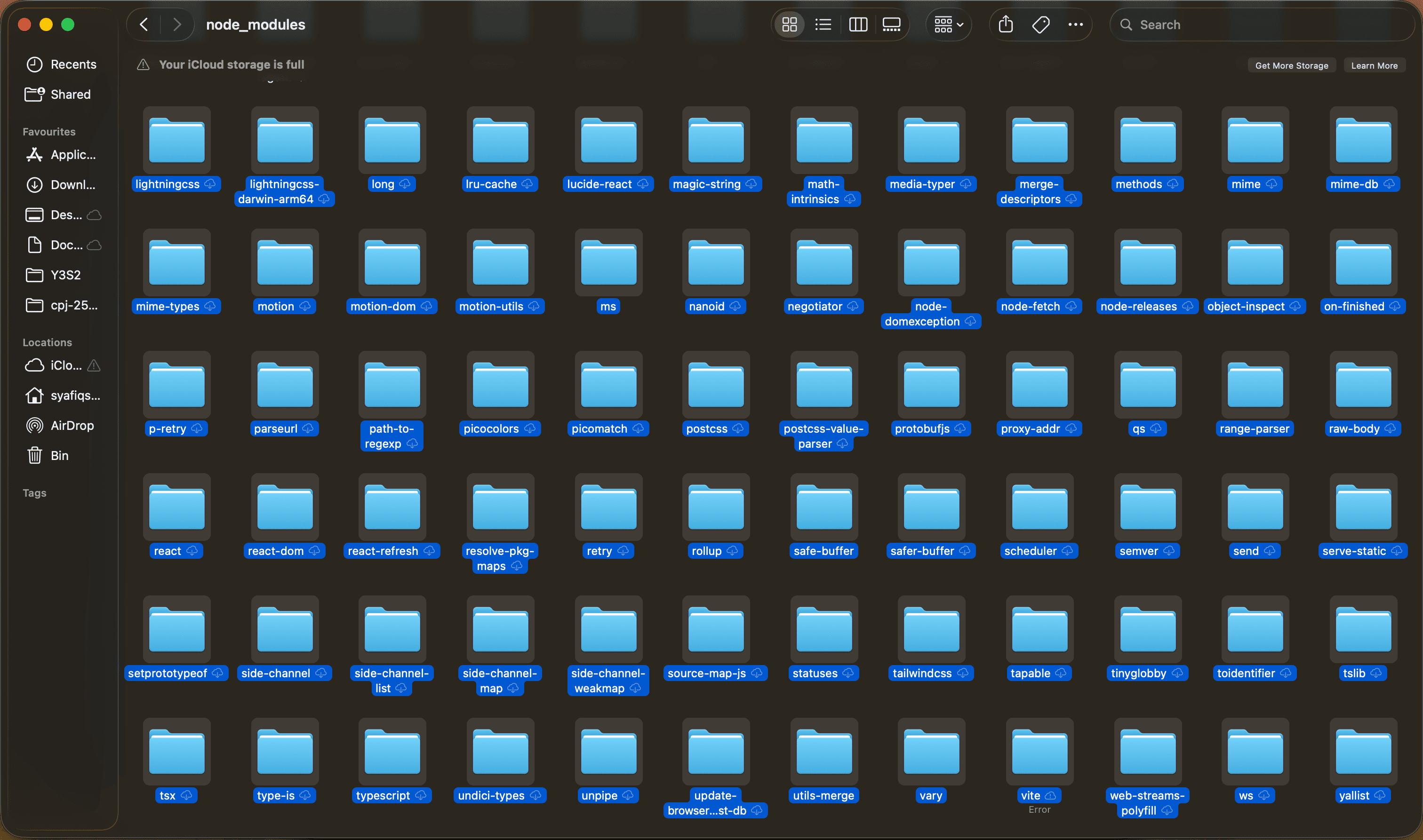
There were many files and code segments that I did not fully understand, which made the process slightly overwhelming. For now, I decided to leave parts of the structure intact and focus on modifying elements that were directly relevant to my design and content. This experience made me aware of a gap in my technical understanding, which I would like to improve on moving forward.
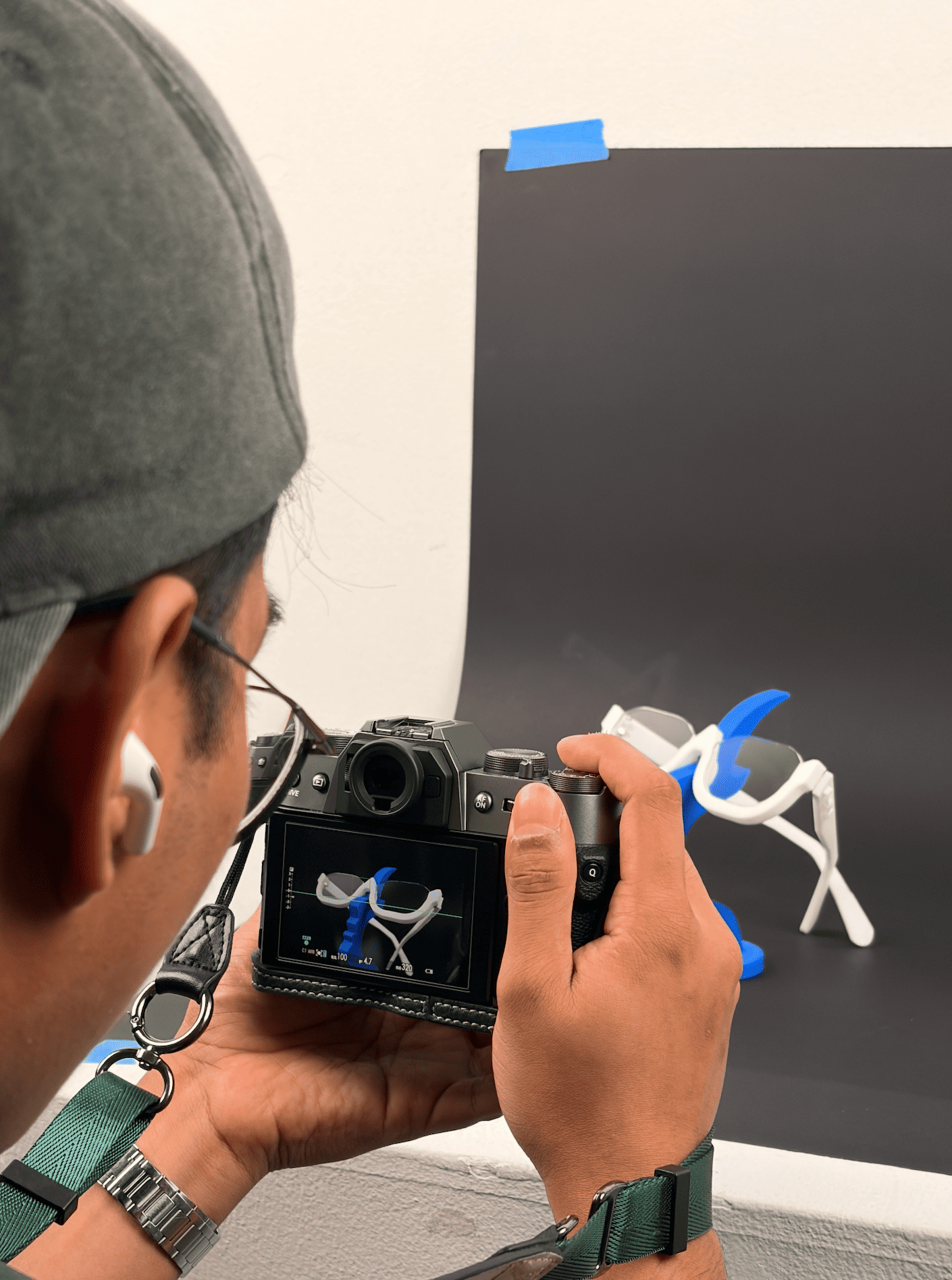
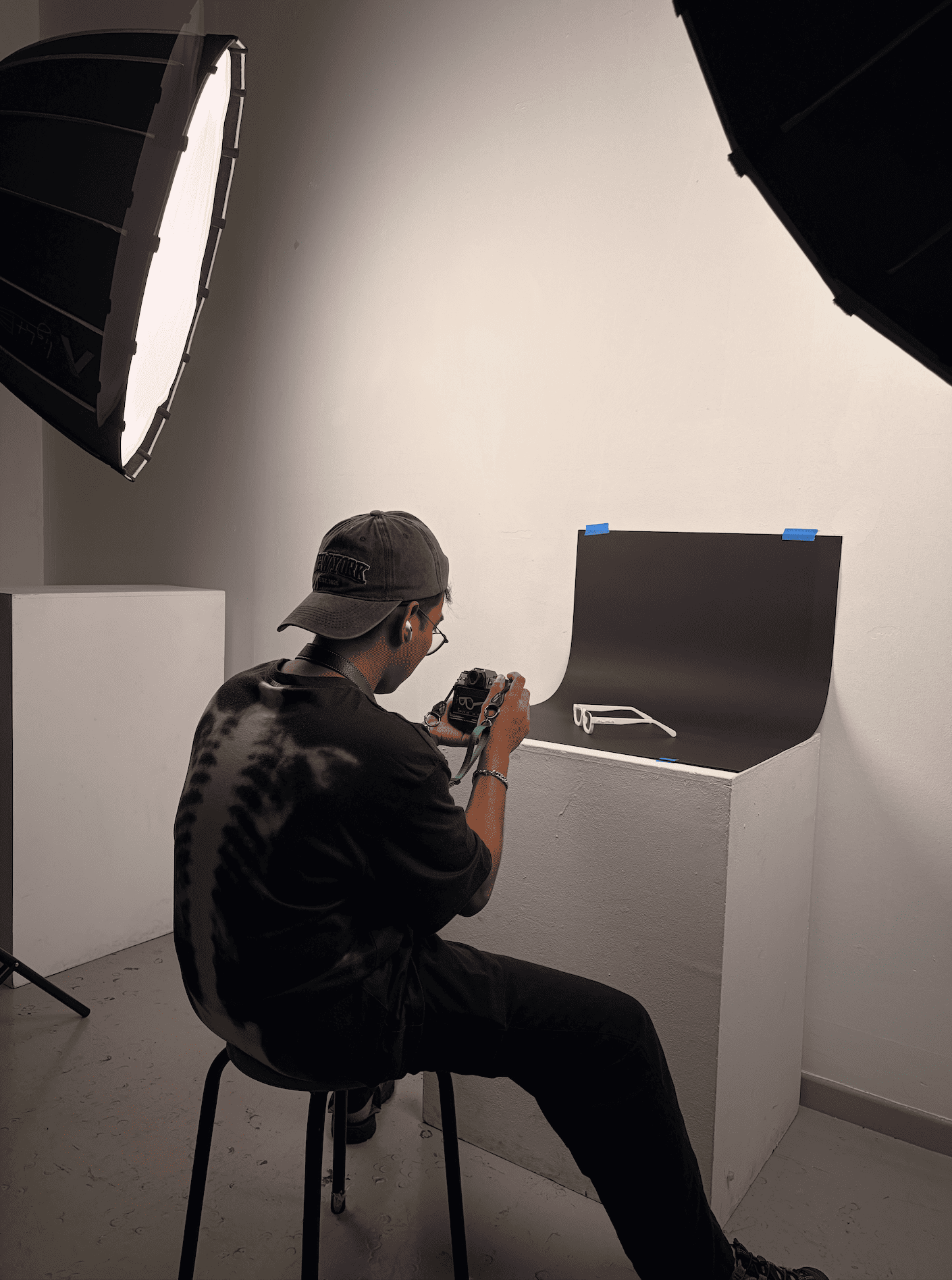
Another important realisation was that the images I used were not adequate in terms of quality and choice. The images from Open Studios felt cluttered and did not align with the clean, clinical aesthetic I was aiming for. As a result, I reshot several images to ensure visual consistency across the website.
In one of the documentation images I used AI to assist with editing. Charlene’s hair was quite messy during the shoot and I envisioned a more controlled look. Therefore, I used Gemini to generate an improved version of the image.
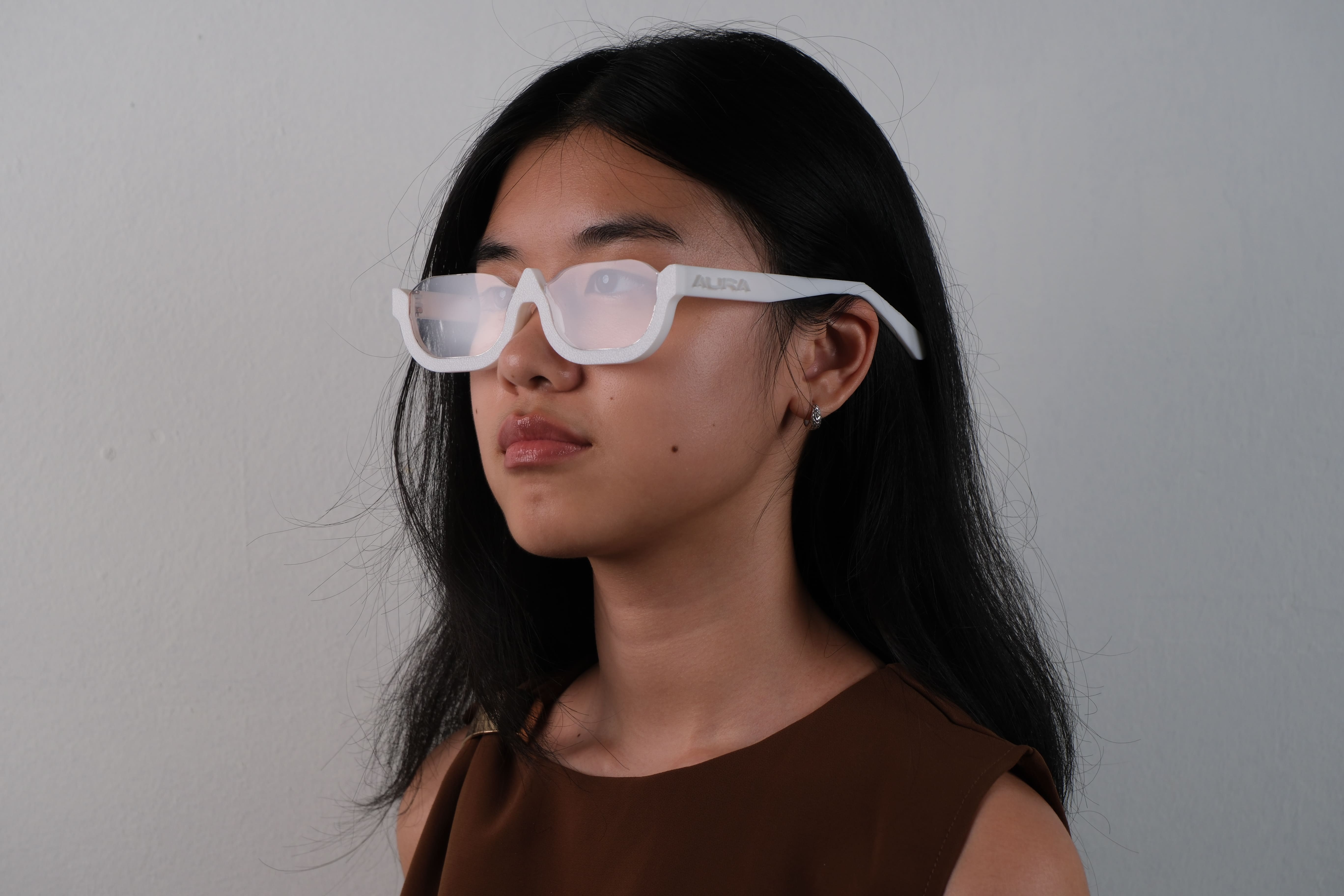
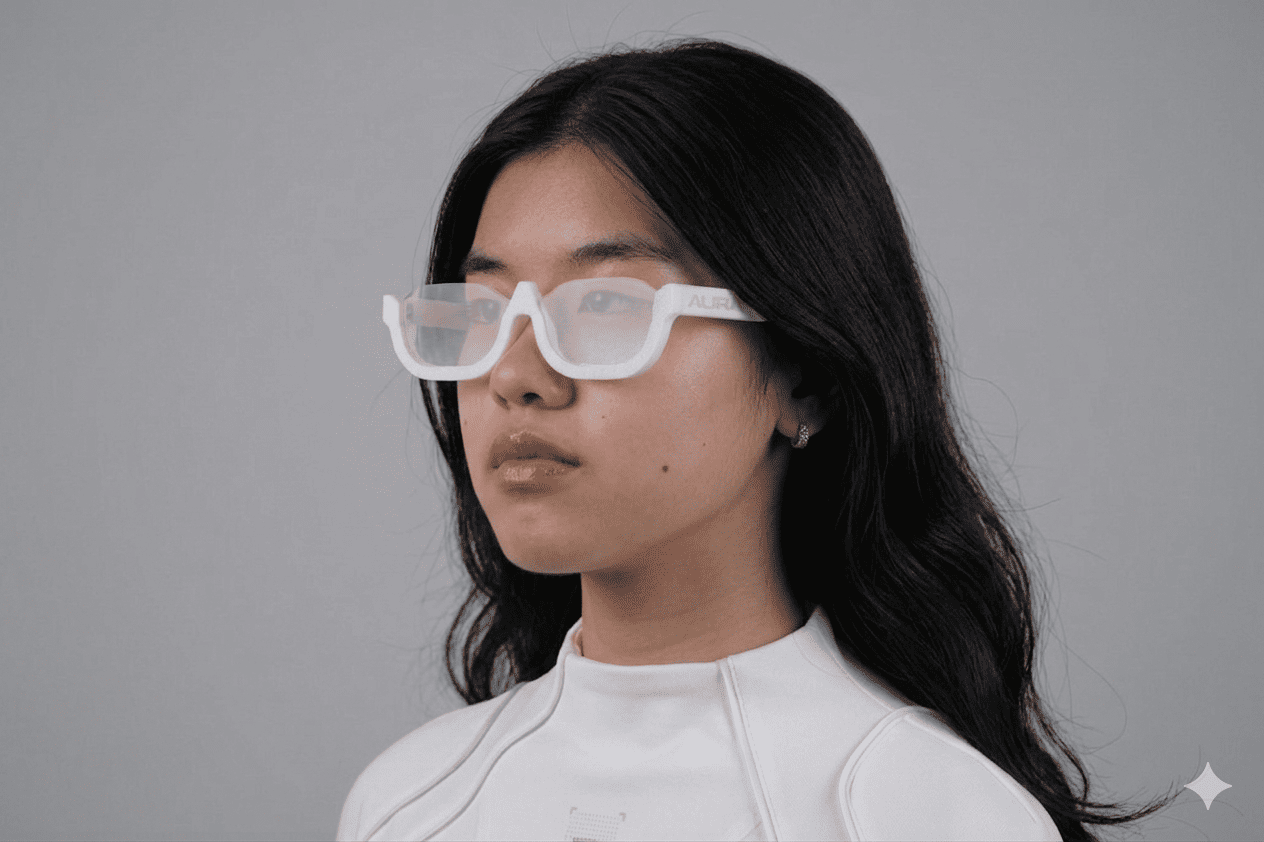
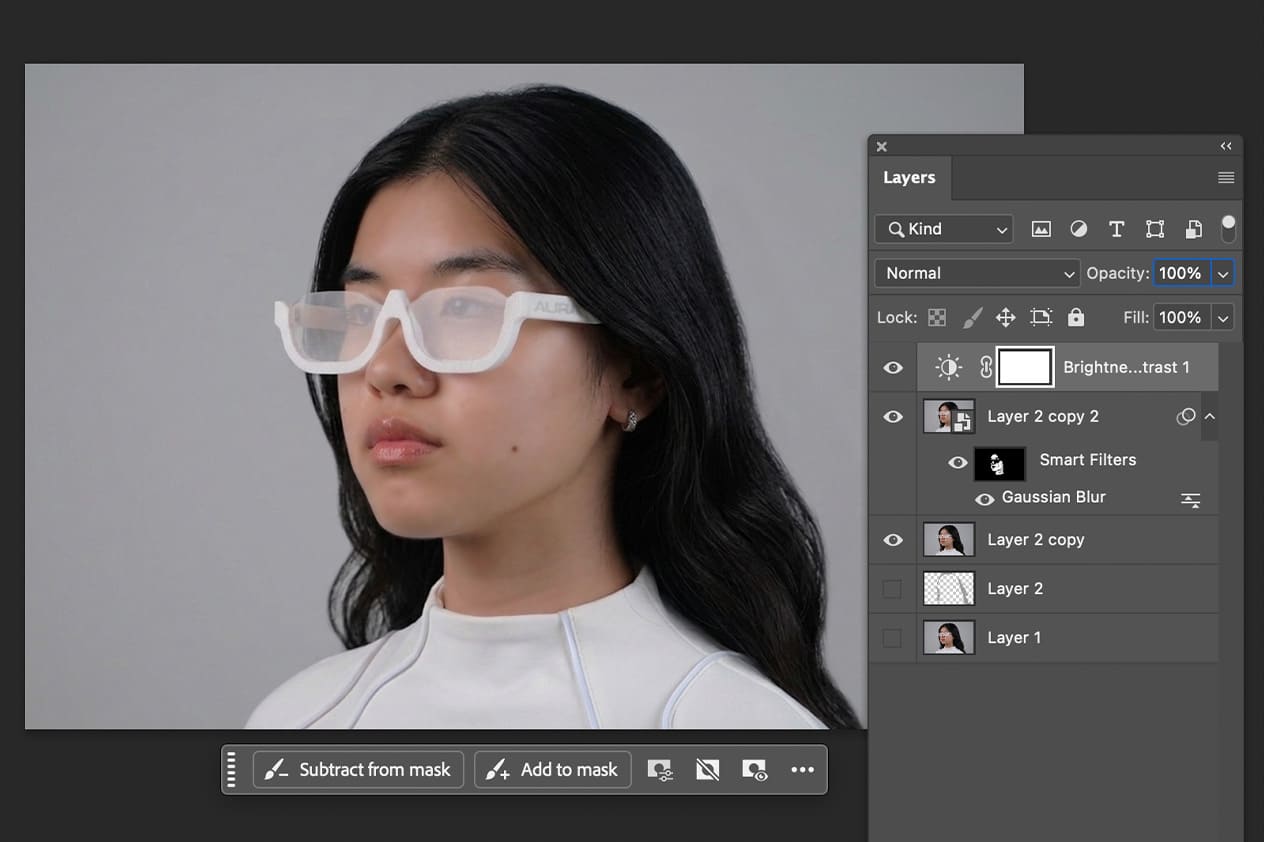
The AI-generated image was still not perfect and I had to edit the image in Photoshop. This made me reflect on authorship. While I initially felt uneasy about using AI, I came to see it as a collaborative tool rather than a replacement. As Ethel pointed out, as long as I remain intentional and transparent about its use, and continue to apply my own design judgement, the work still retains my authorship.
After updated the website with the new documentation photos and videos, I felt that the Catalogue of Making finally reflected the direction I had envisioned from the start.