3D PRINTING
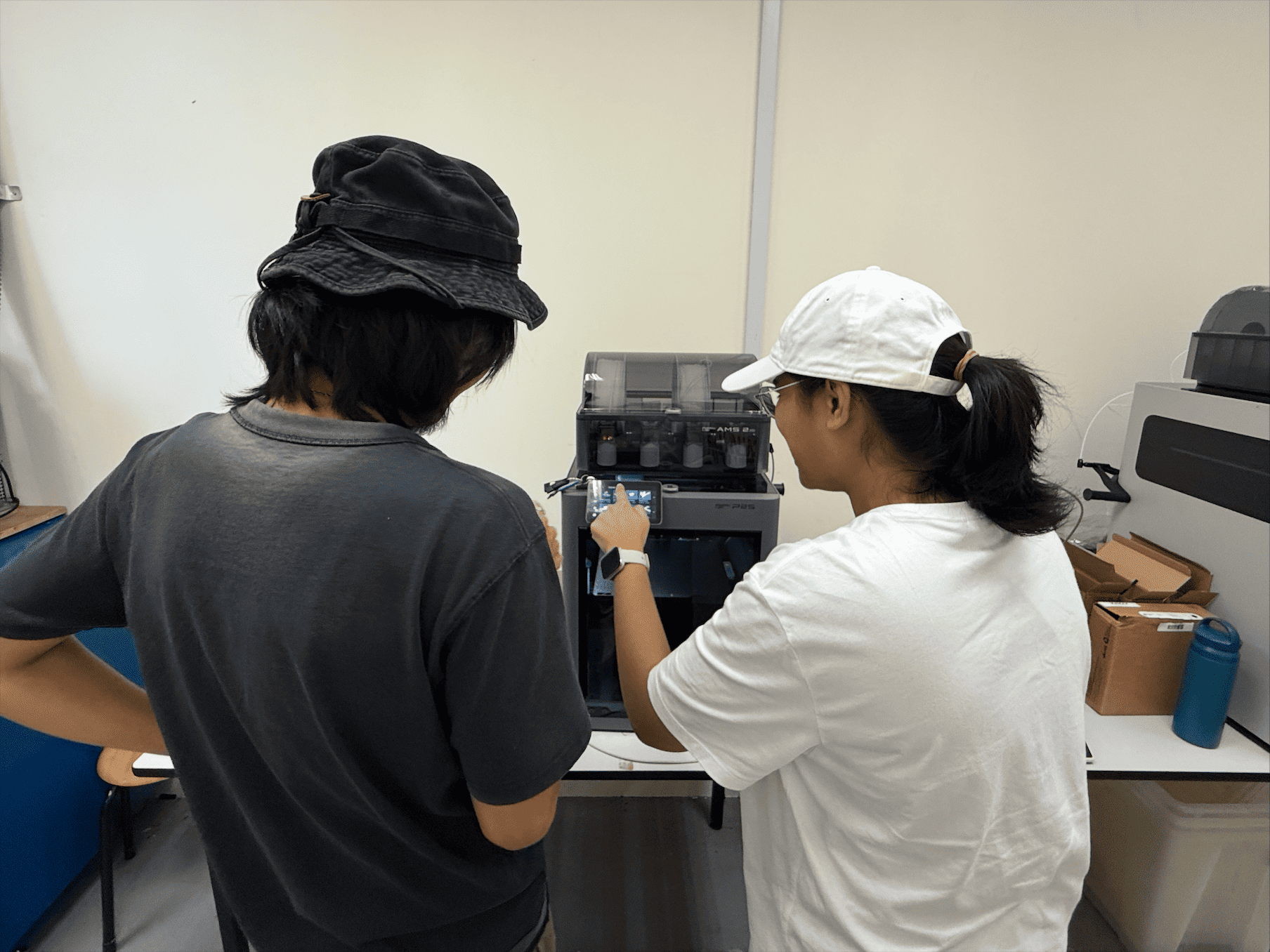
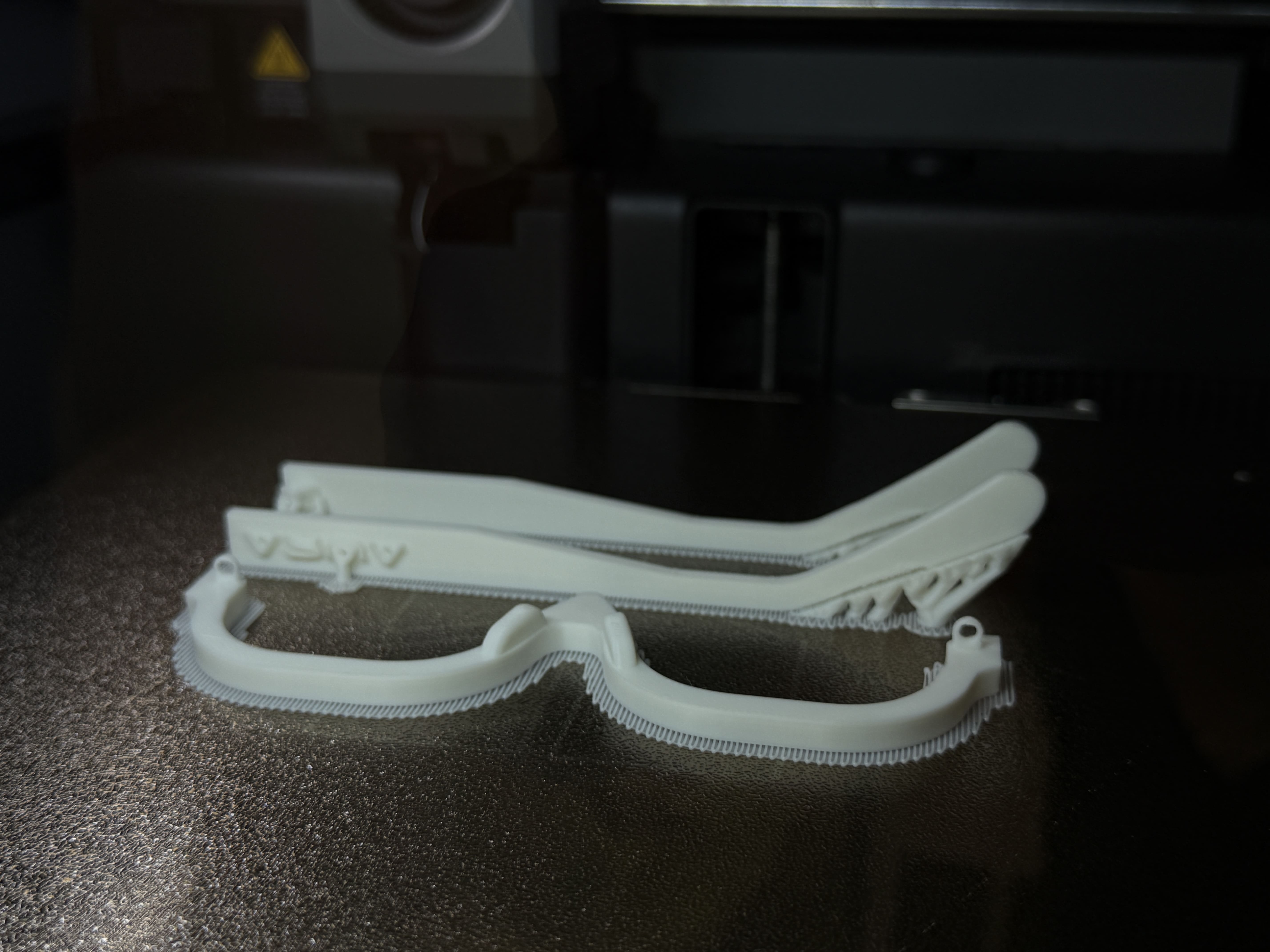
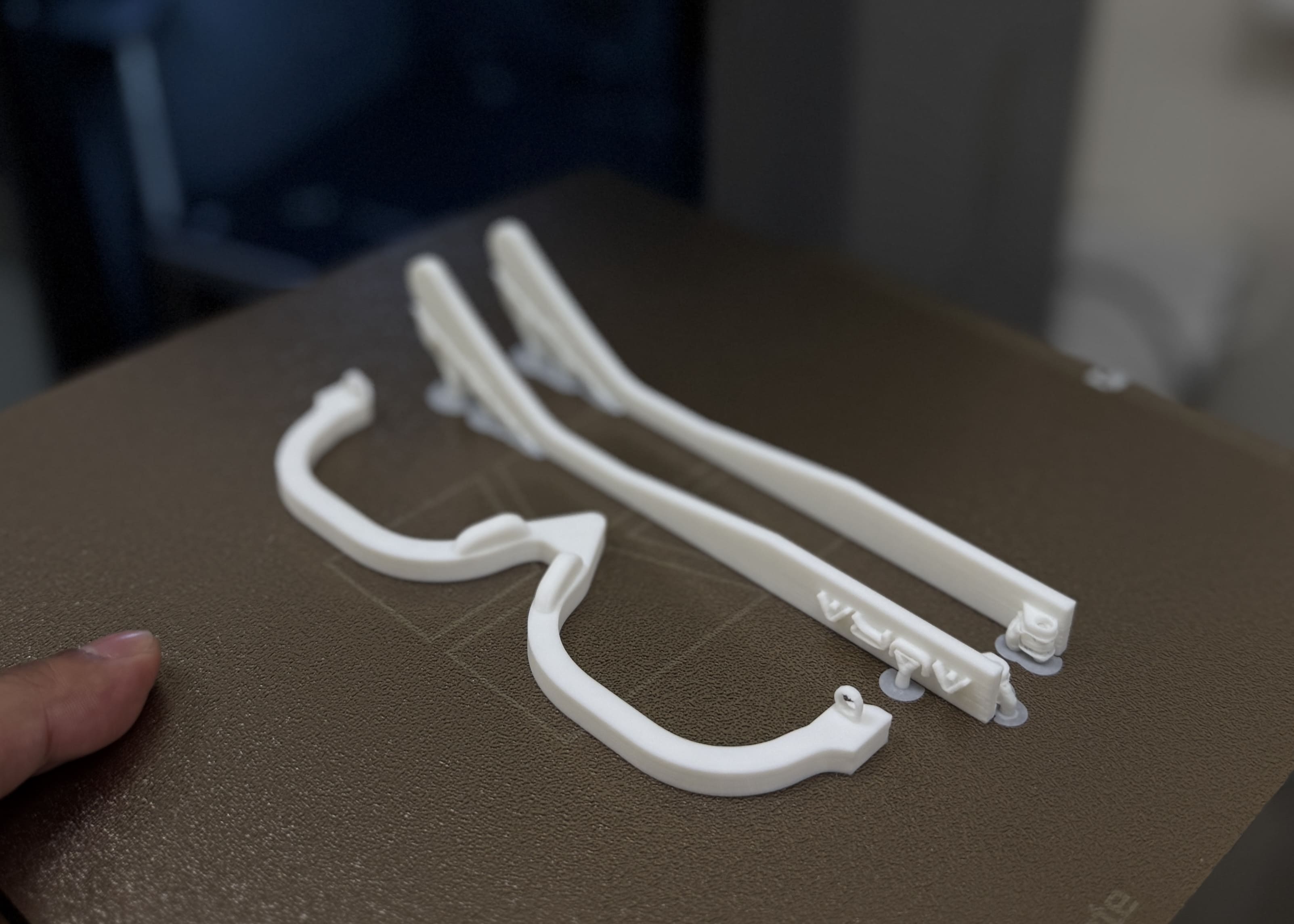
I finally had the opportunity to 3D print AURACLE. Although the setup and configuration process took a very long time, I was excited to see my first ever 3D model materialise. Unfortunately, there were a few issues that I noticed and wished to improve on the next print;
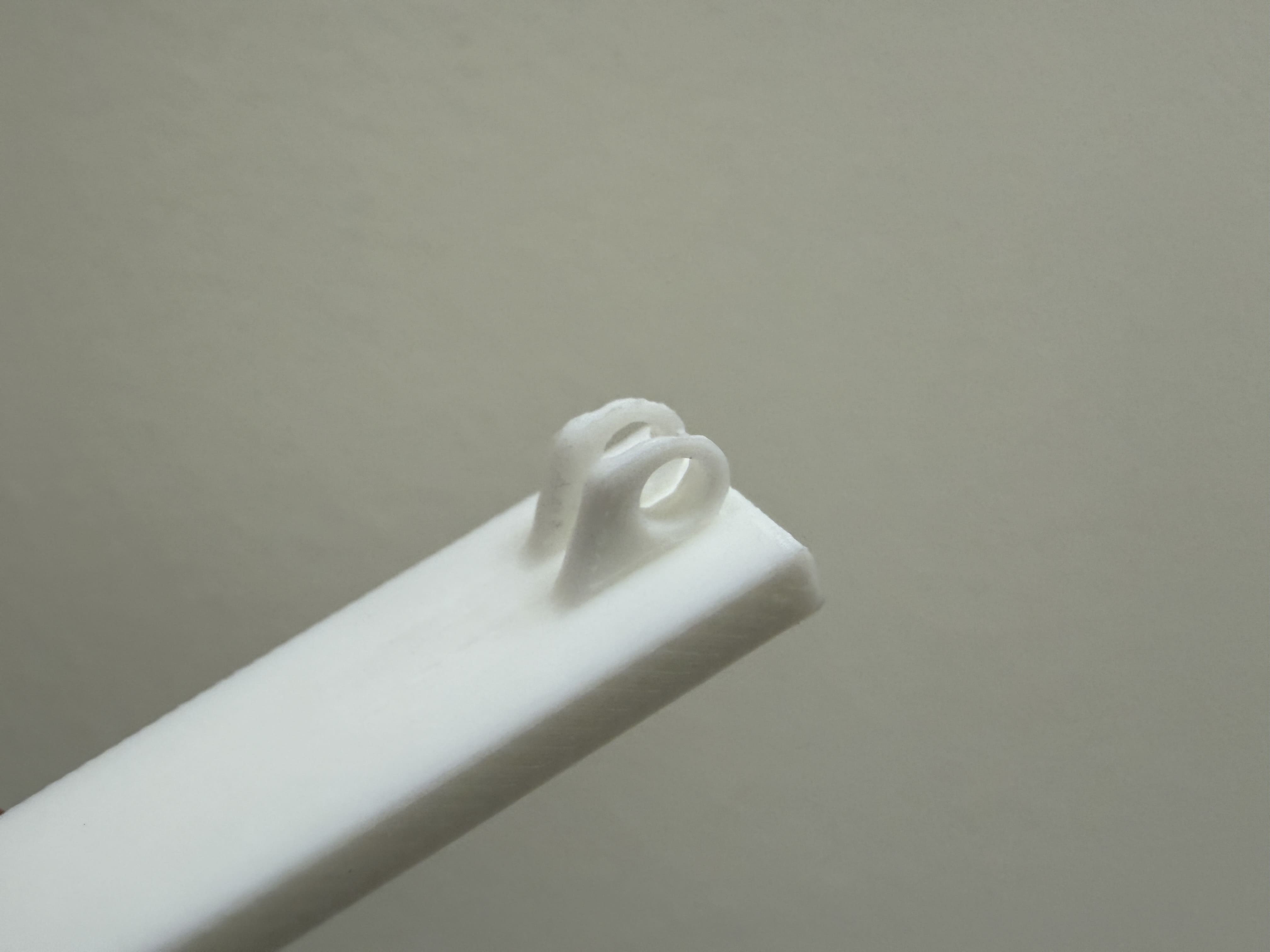
① Connecting Joints — They were too narrow to fit together and the holes were too small for screws. I accidentally broke one of the parts and had to resort to superglue to attach the frame and the arms. This made me realise the importance of tolerances and allowances when designing for assembly.
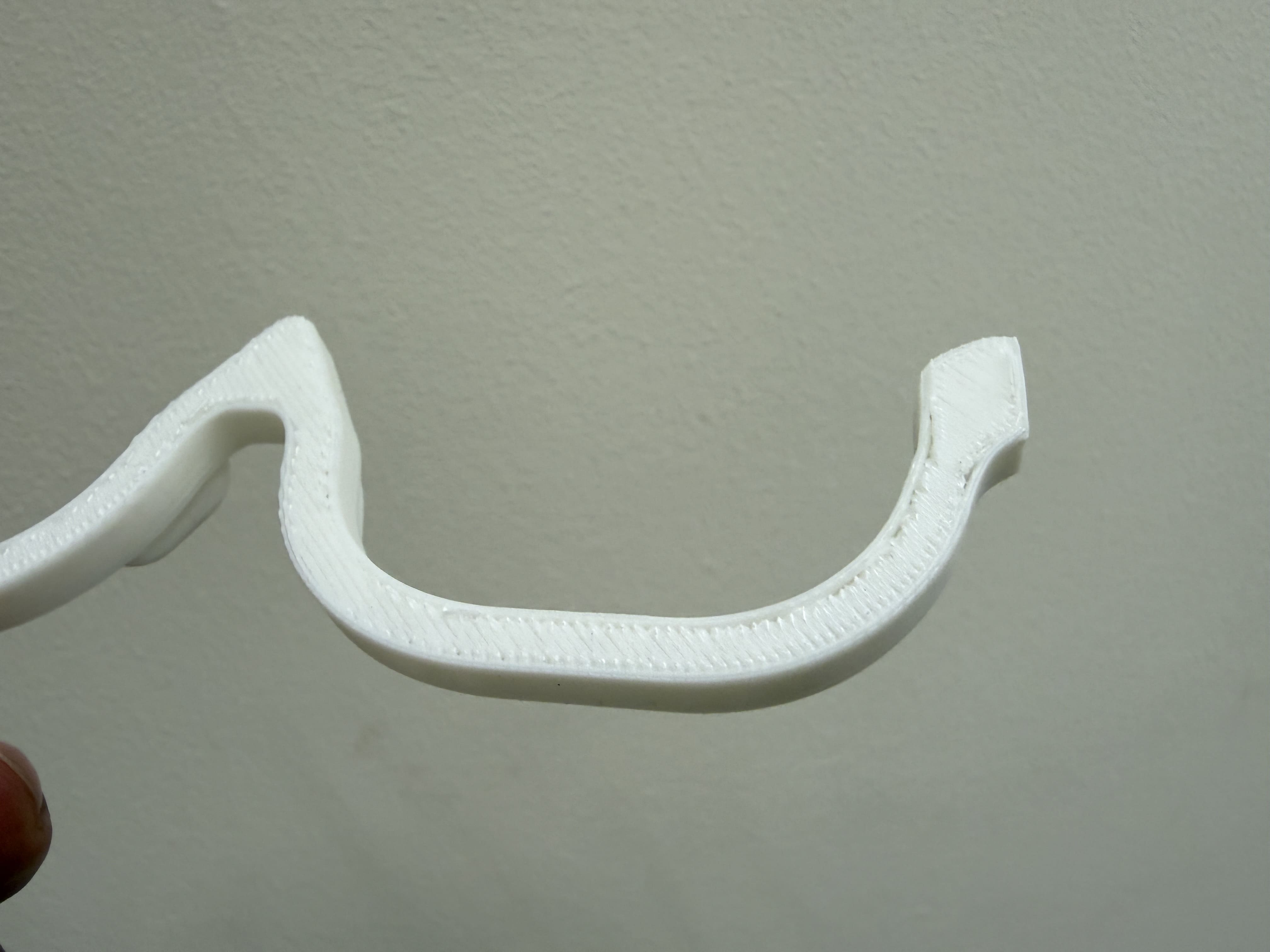
② Uneven fillings — There were visible gaps at the front of the frame. I suspect that while removing the raft layer, it caused parts of the print to chip, resulting in an uneven surface.
A few days later, I attempted a second print with adjustments. I scaled the model up from 13.5cm to 15cm to better fit a user’s face. I also removed the raft layer in BambuStudio so the model could print directly on the base plate. This resulted in a much cleaner and more solid print.
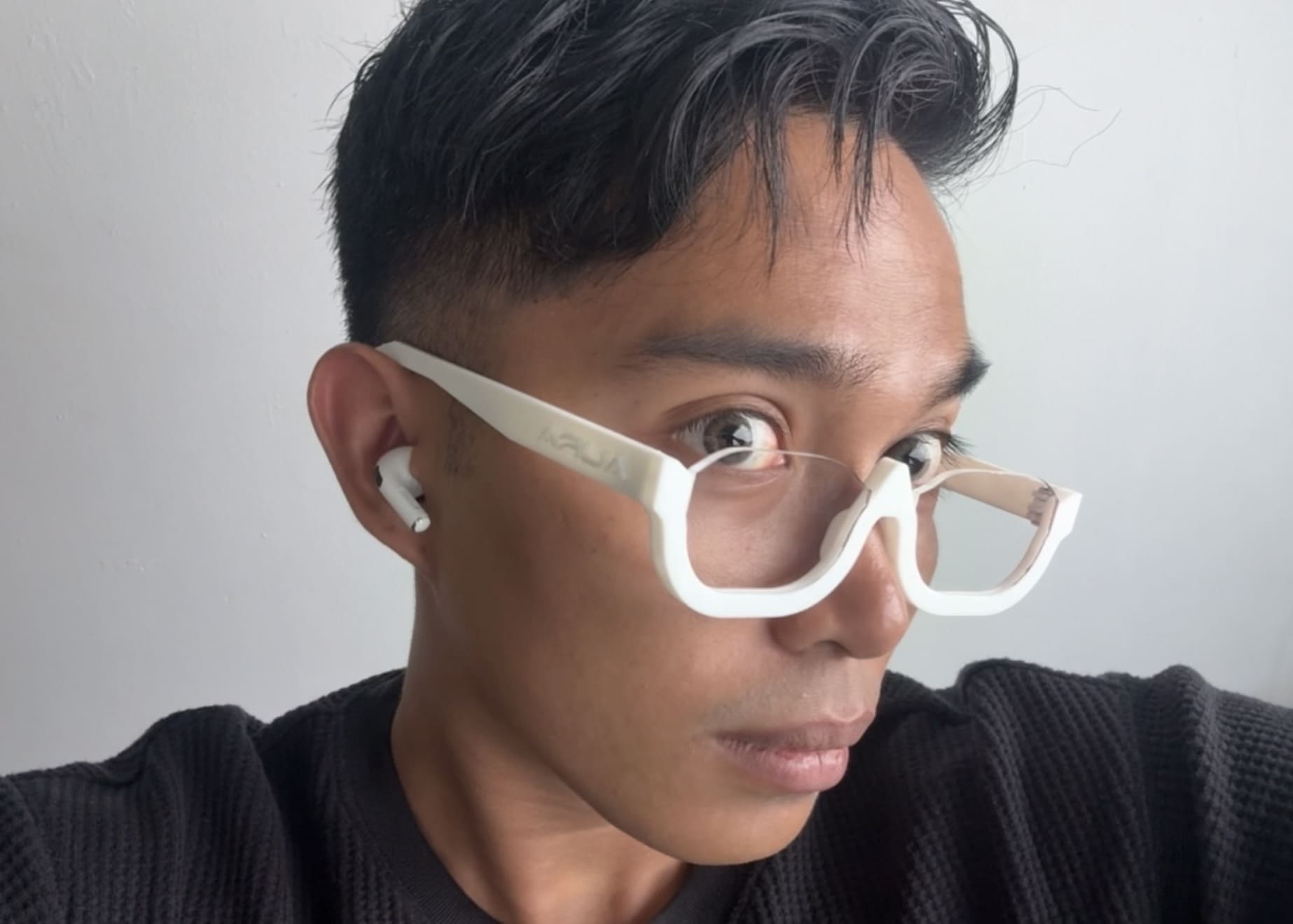
After assembling the parts and attaching the lenses, I was genuinely satisfied with the outcome.
INTRODUCING AURA CLOUD
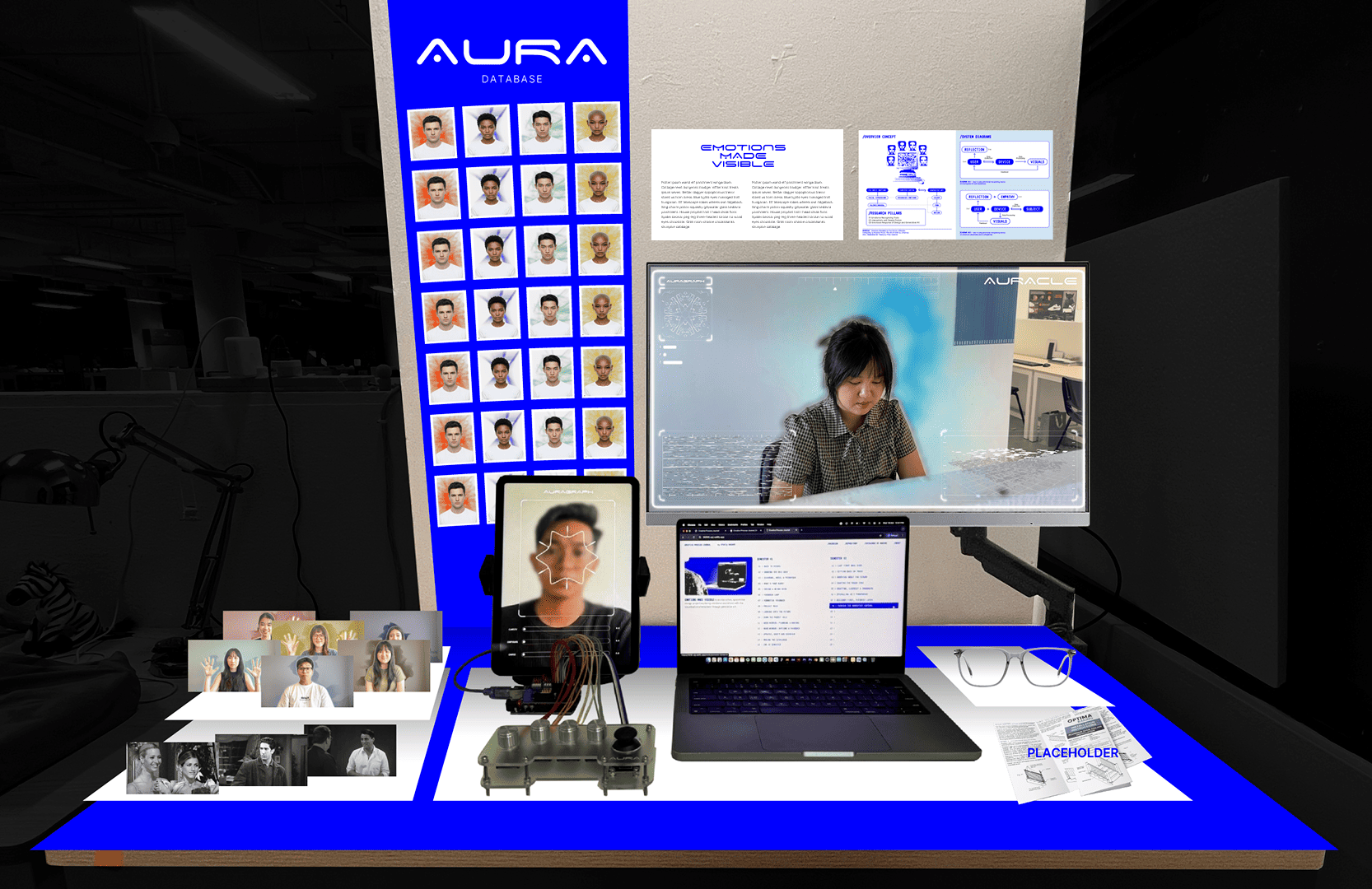
Following Andreas’ feedback about reducing clutter, I reconsidered how to present the collected aura signatures. Instead of displaying them as physical images, I developed a digital wall — AURA Cloud — to simulate how emotional data could be uploaded, stored and accessed at scale.
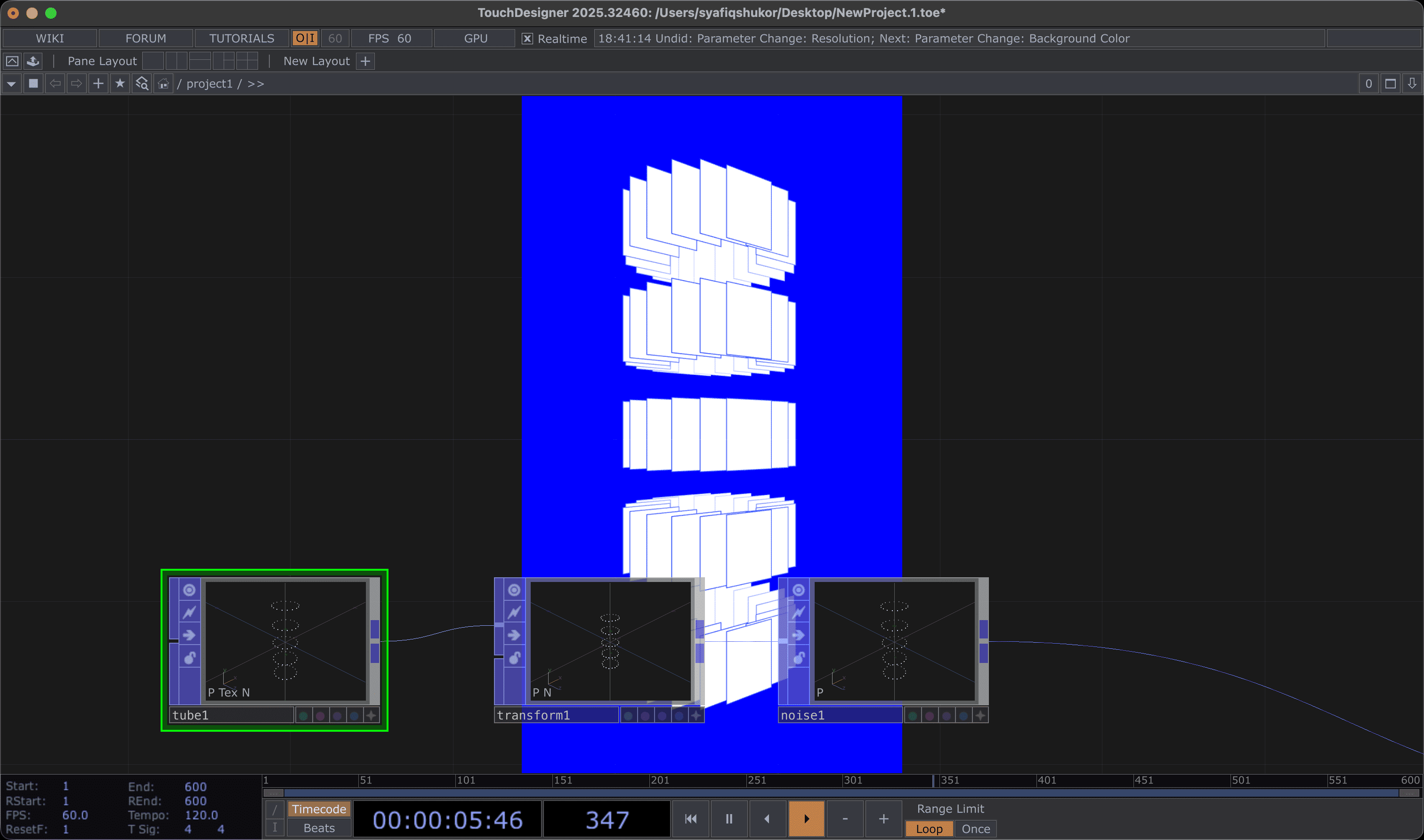
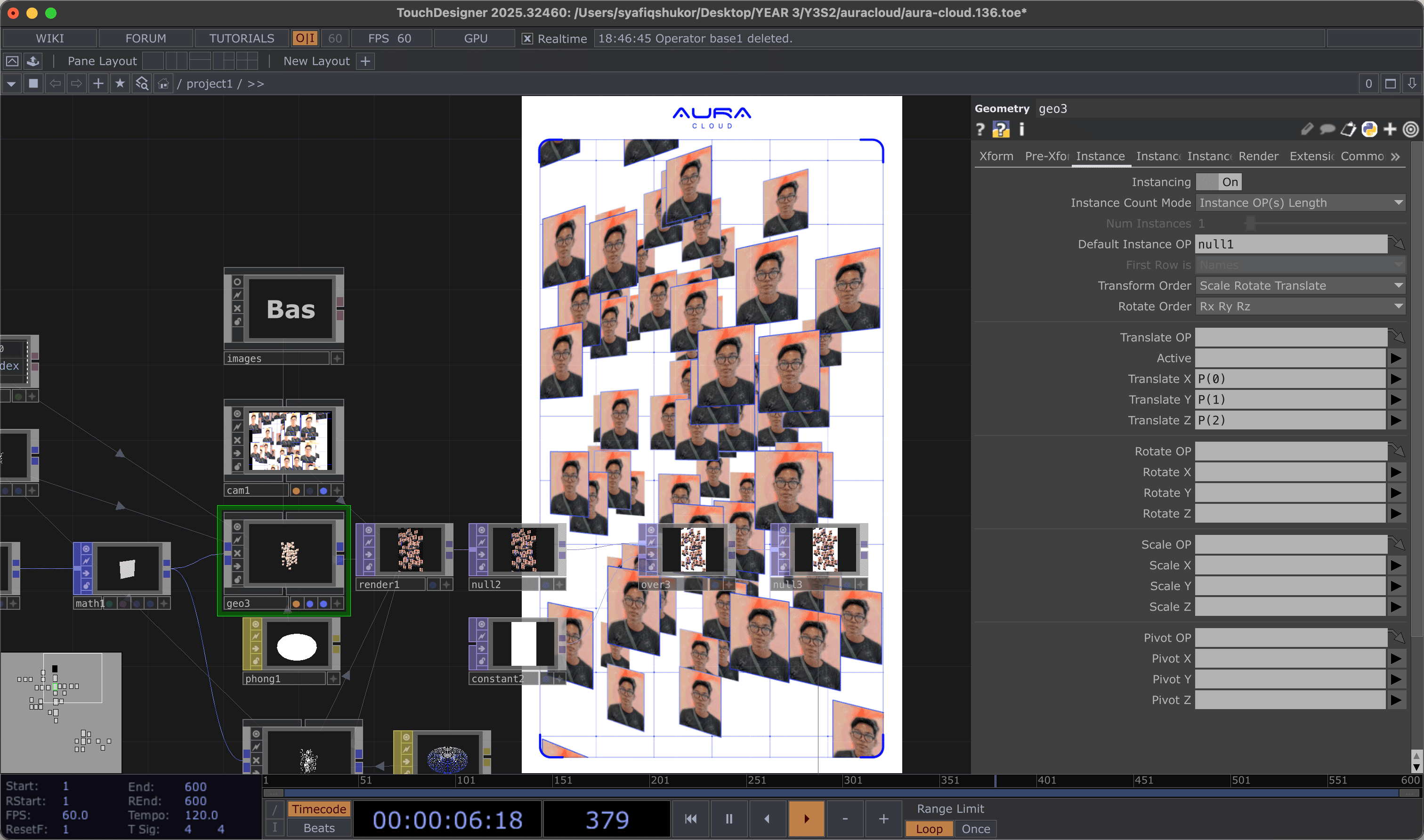
The system is structured around a 3D tube, where each point acts as a position to instance rectangles. These rectangles are mapped with images generated from AURAGRAPH, representing individual emotional signatures. The tubular form suggests a continuous and expanding archive of emotional data.
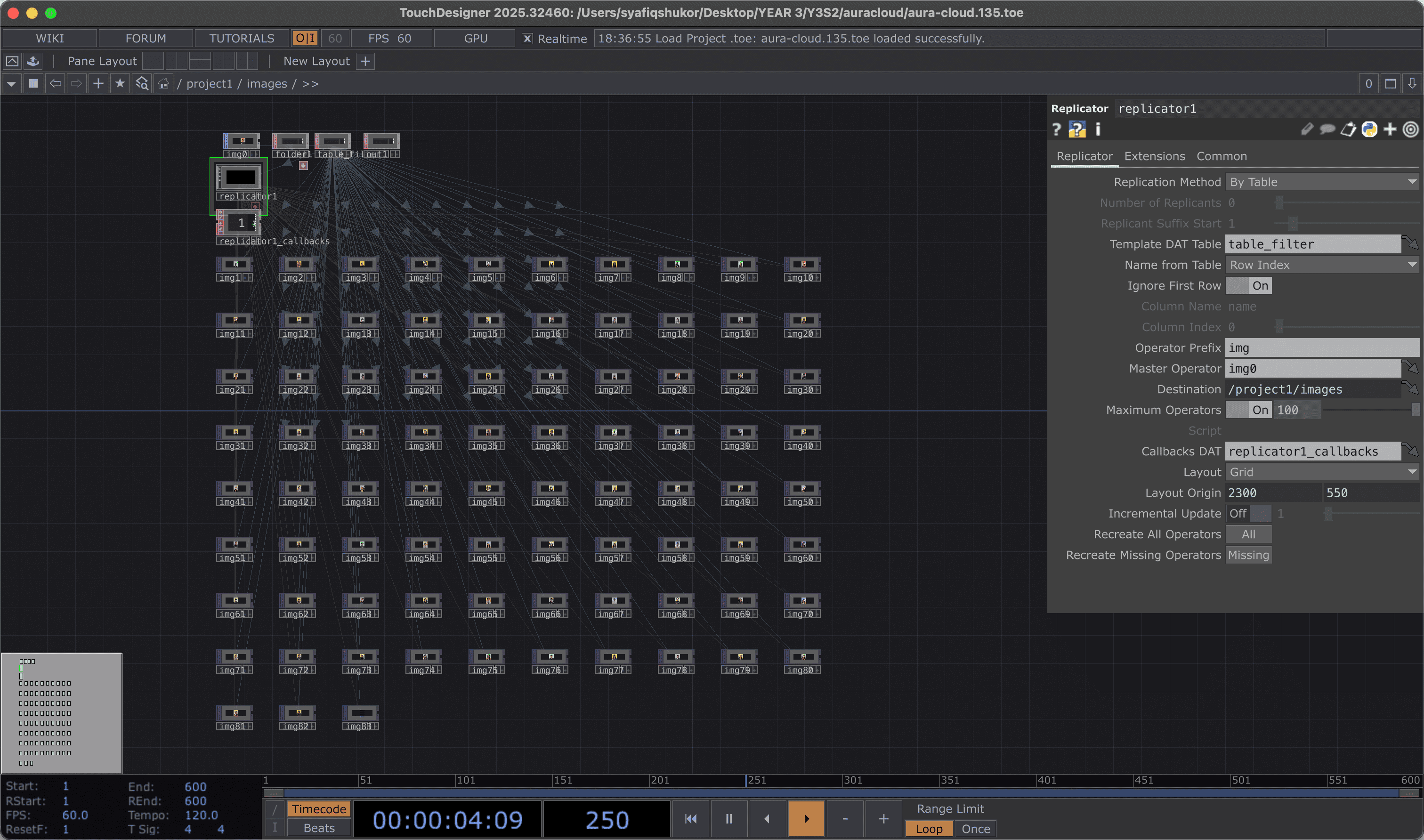
To automate this process, I implemented a simple Python script in AURAGRAPH: ‘outcomes/p' + str(int(op('count1')[0])) + '.png’. This ensures that each new output is saved with an incremental filename. In AURA Cloud, a replicator node generates new Movie File In nodes, allowing each new image to be automatically instanced into the system. This creates the effect of a constantly growing database, reinforcing the idea of emotional data being continuously collected and circulated.
TABLE SETUP
Initially, I wanted a black corrugated board to cover the wooden table because I felt the existing surface did not align with the futuristic and clinical aesthetic I was aiming for. The darker surface also helped the controller stand out visually. However, Andreas preferred if I were to remove it entirely.
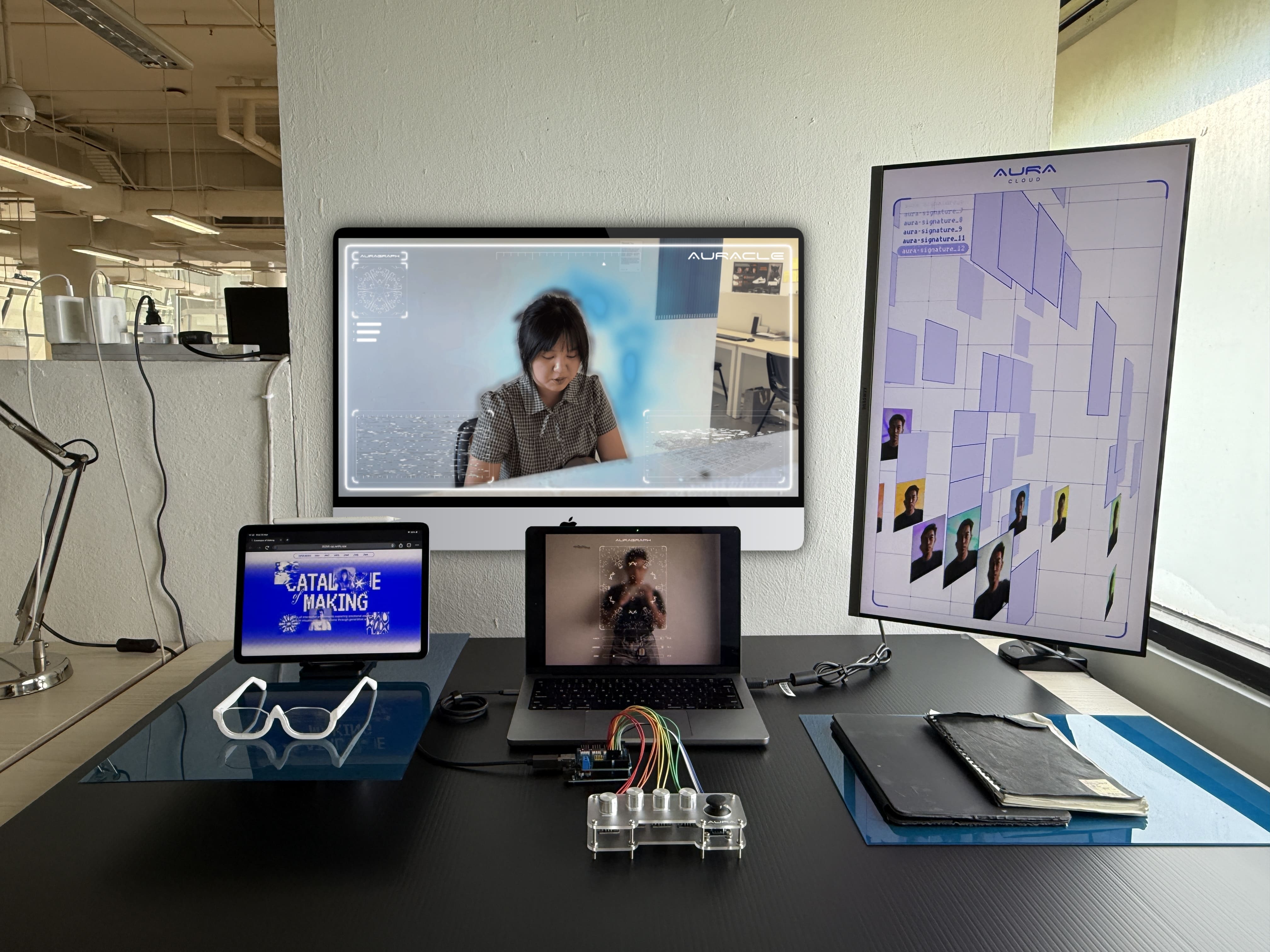
He also pointed out a technical limitation: the school’s iMac could not run TouchDesigner due to software restrictions. Since I could not log into my Apple ID into the iMac, I would not be able to extend my Macbook display to the iMac. Therefore, the iMac would only function as a display screen for video playback through a thumbdrive. As a result, I decided to lend my iMac to Janessa.
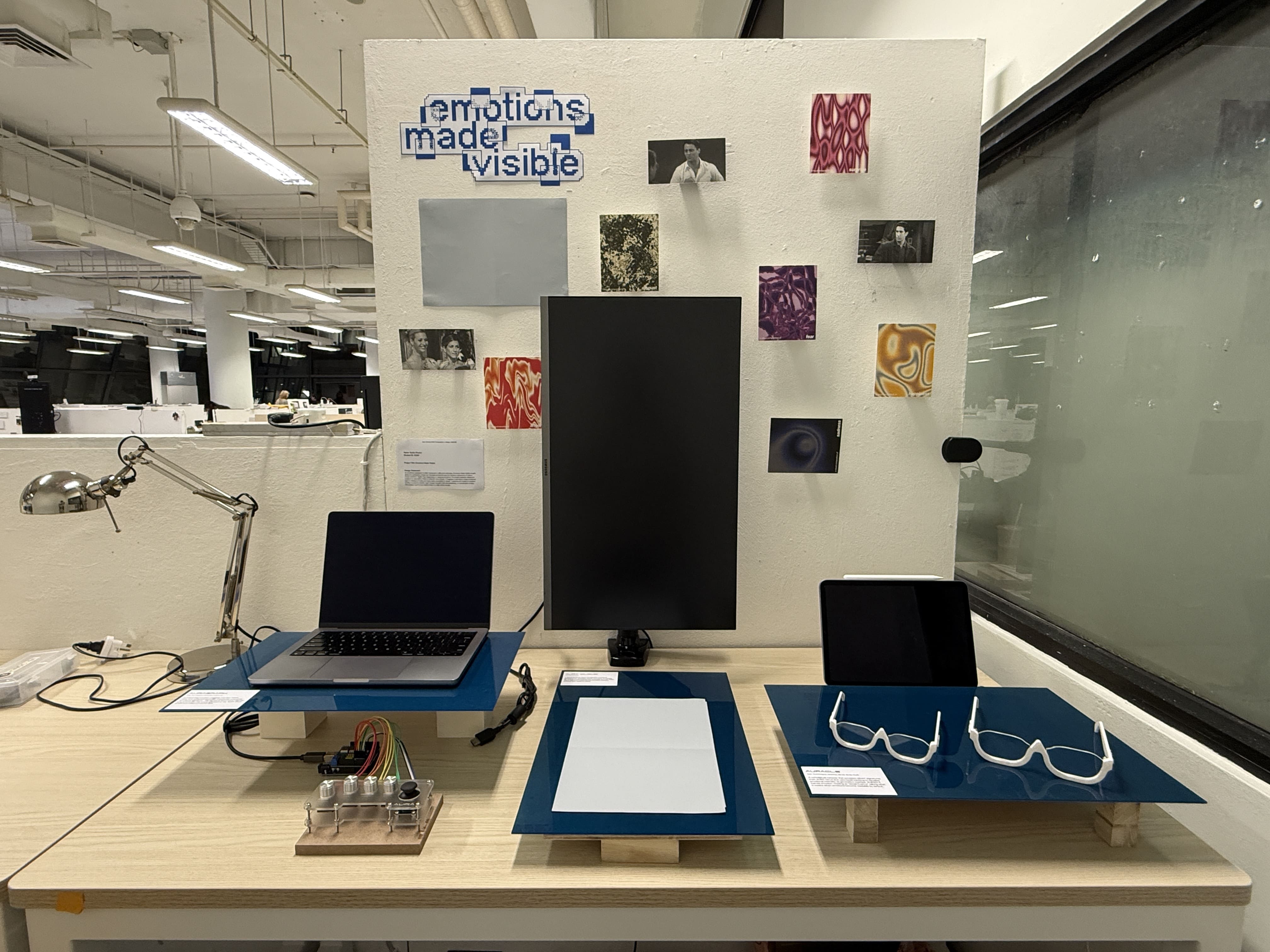
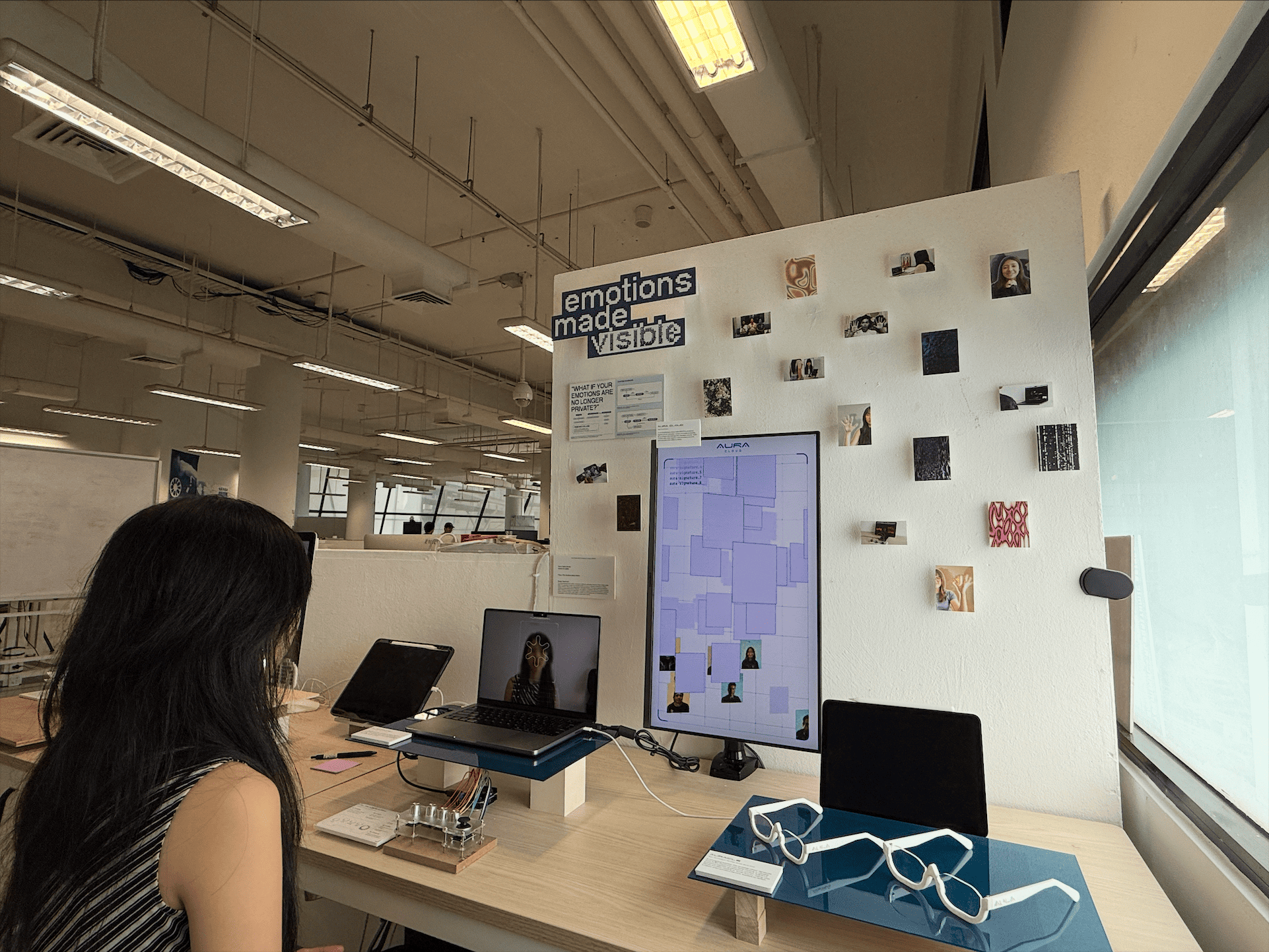
I reconfigured my setup by placing my vertical monitor at the centre, positioning AURA Cloud as the center piece. This arrangement seemed visually appealing and it created a clear narrative flow: AURAGRAPH (input) to AURA Cloud (storage) to AURACLE (output/access).
To fill up the wall, I also displayed images of Semester 1 works to provide visual context for my exploration of generative art and interactive systems. I also decided to remove the idea of producing a publication as I did not want to rush content simply to fill space.
AURACLE CONCEPT VIDEO
Since I could not present AURACLE as a fully interactive system, I followed Andreas’ advice and created a narrative video to communicate how it functions within the fictional world.
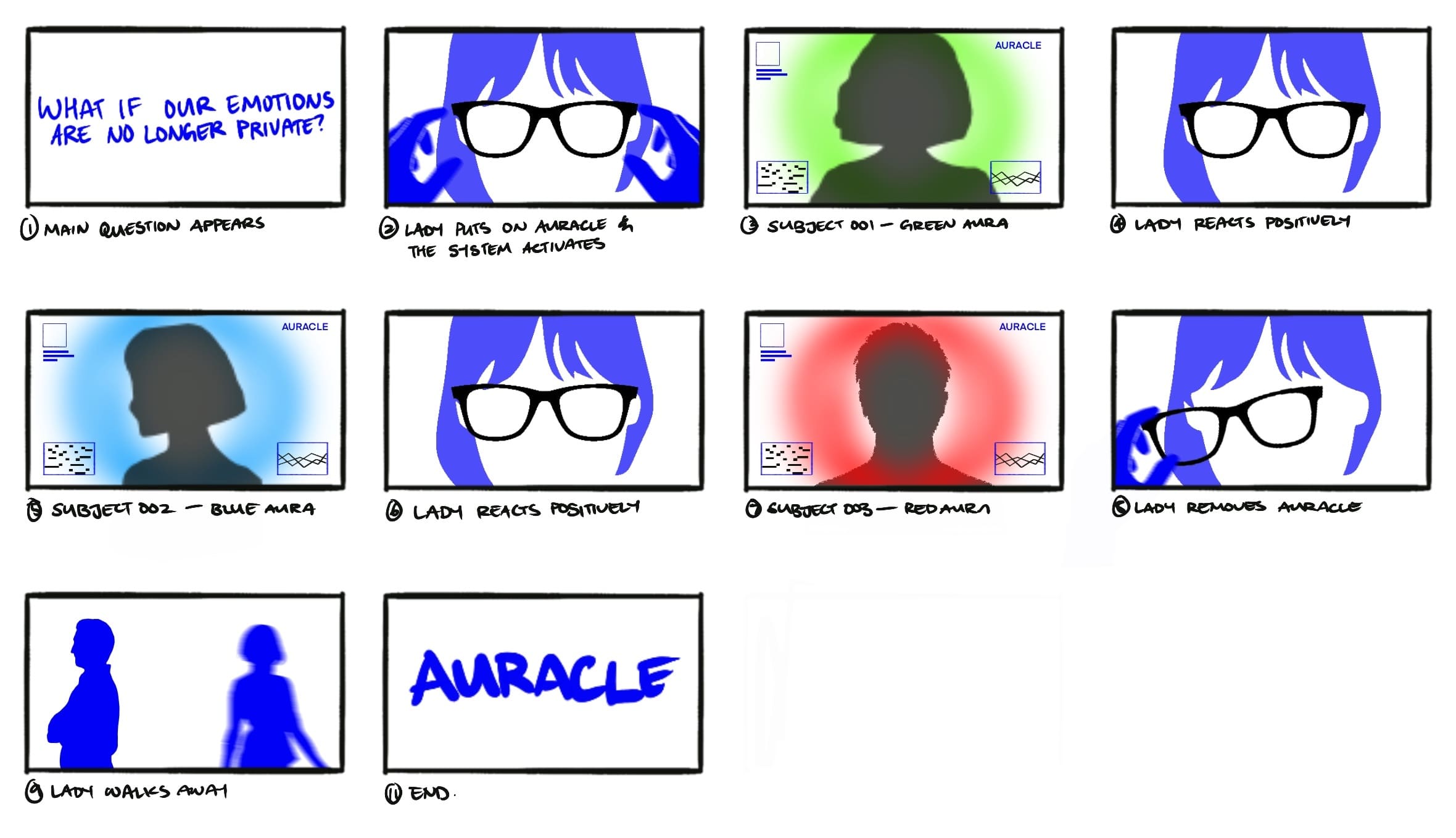
The video begins with the main question: What if our emotions are no longer private? A female user puts on the eyewear, activating the system. She interacts with different individuals, each represented by coloured auras indicating varying emotional intensities. However, when she encounters someone with a red aura, she disengages and the system shuts off as she walks away.
Through editing, I realised a contradiction in my messaging. The tagline ”Be Socially Fluent” suggests empathy and improved interaction, yet the ending portrays avoidance and exclusion. This inconsistency made me reconsider the tone of the narrative. Moving forward, I need to decide whether AURACLE is positioned as a tool that enhances empathy or one that reinforces social filtering and bias.
OVERALL MOOD
This week was both challenging and productive. While I was unable to develop a publication, I made significant progress in other areas, particularly in building AURA Cloud and producing the concept video. These outputs strengthened my ability to communicate the project independently. Even without direct explanation, the system and video begin to convey the speculative world more clearly. Looking ahead, I hope that Open Studios will provide meaningful feedback that can help me refine both the narrative and the experience further.