REVIEWING DRAFT 2
My progress on the dissertation has been slow but at least it is moving forward. I have removed the aspect of ‘mental health’ from the introduction and rewritten my literature review in full sentences rather than point form. While the writing process still feels daunting, it has helped me think more clearly about how my ideas connect.
After reviewing my current draft with Andreas, these were the key points I took away;
① In 1.1 Background, some arguments would be extra convincing if they were supported by citations from existing research. This reminded me that strong framing needs evidence, not just intention.
② For 1.3 Research Objectives, I need to revise or remove some of the current objectives. Andreas emphasised that research objectives should use precise “action” verbs that clearly align with the processes I intend to undertake during the making.
③ My paraphrasing was flagged as being overly indicative of ChatGPT usage. I reassured Andreas that I would do another round of rewriting using my own vocabulary and sentence structure before submission.
As per my previous Dissertation feedback in Semester 1, Andreas encouraged me to focus on visual design, interaction and experience. Therefore, I brought up to Andreas on how I should structure my 3.0 Discussion;
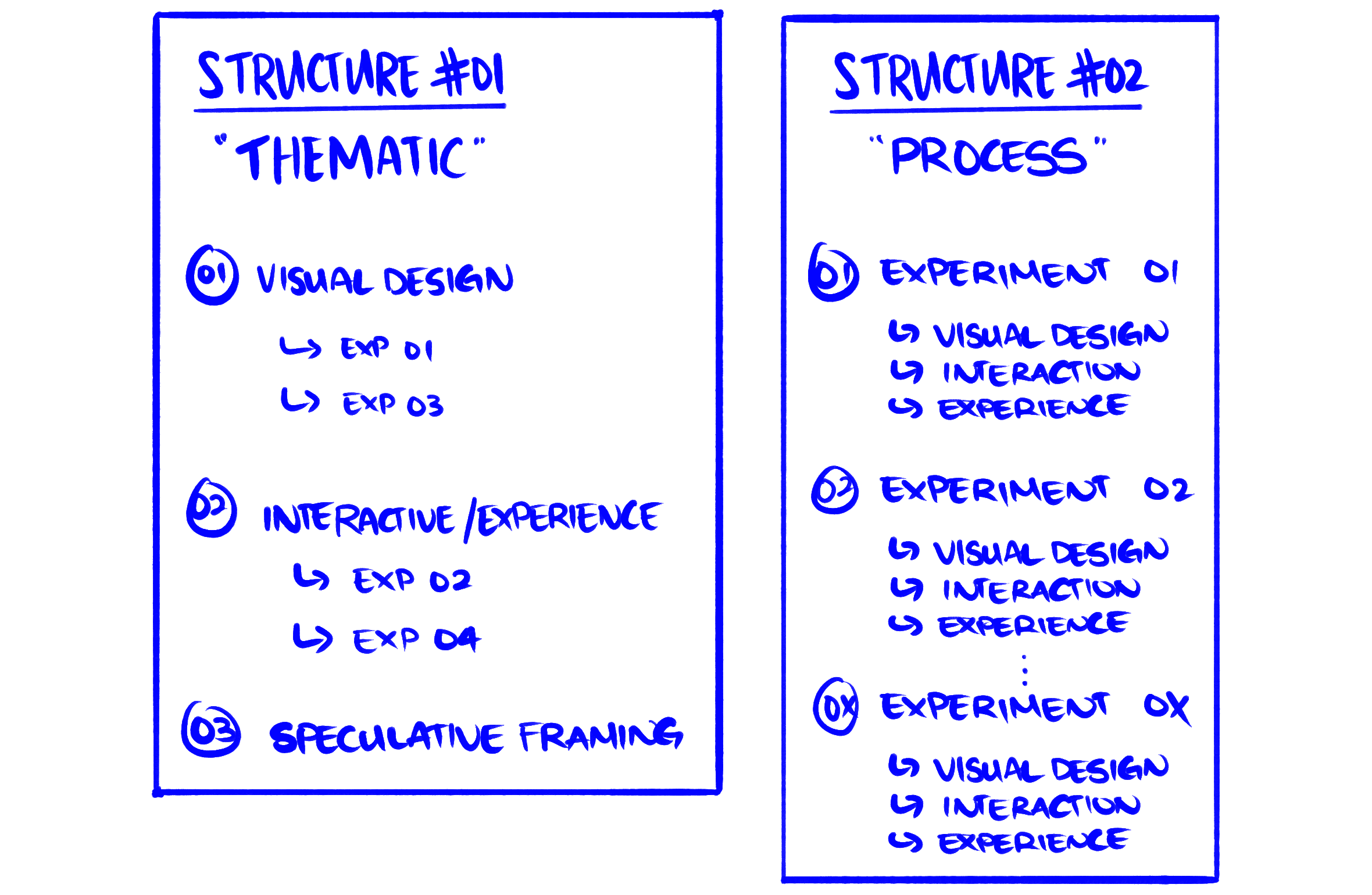
He suggested adopting the Thematic structure rather than a process-based one. This approach would allow me to discuss design decisions more deeply and critically, whereas the alternative risked becoming repetitive and less engaging for readers.
FIXING THE CHANNELS
During an elective session with Jo, we managed to resolve the issue of potentiometer values ‘jumping’ between channels.
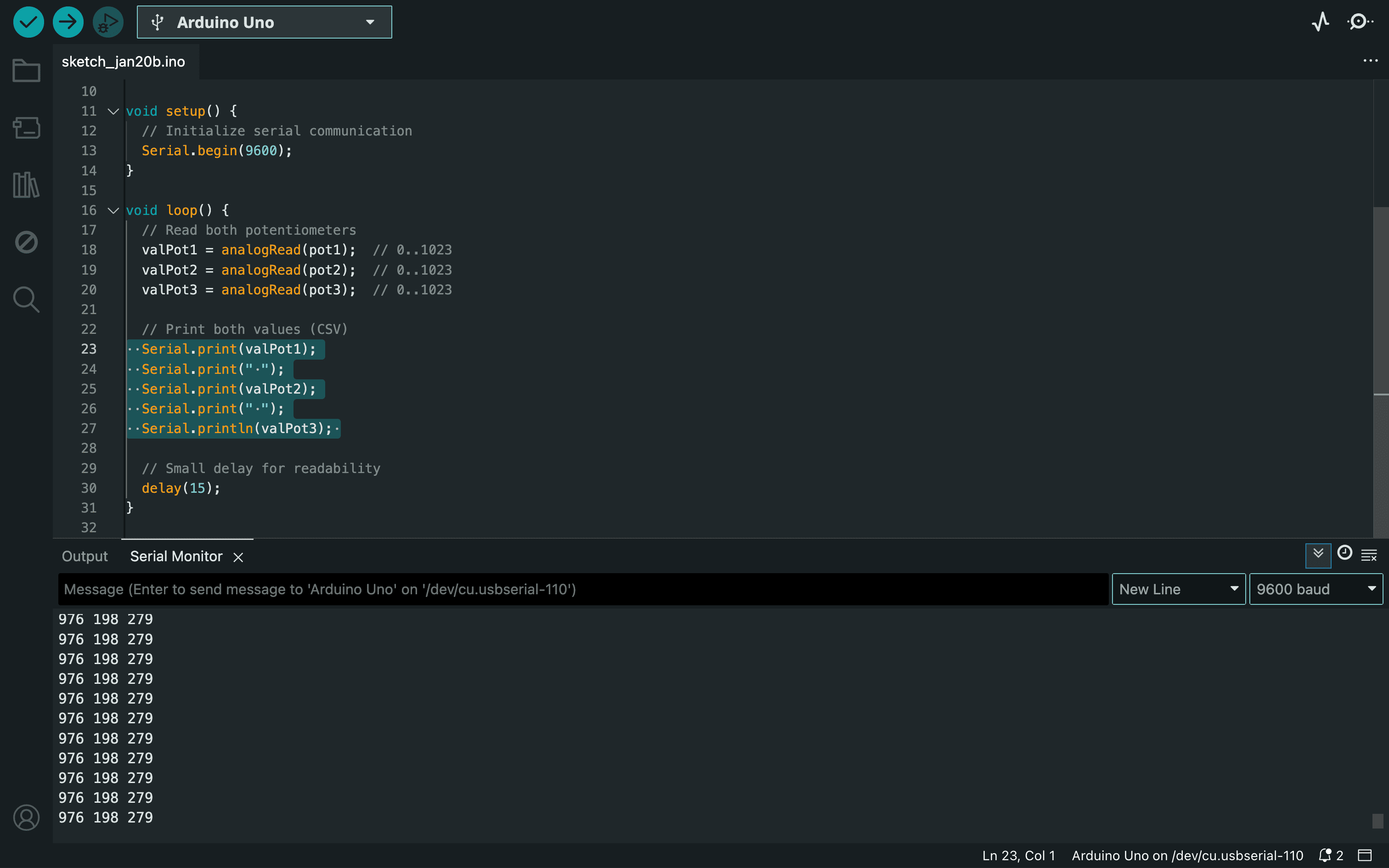
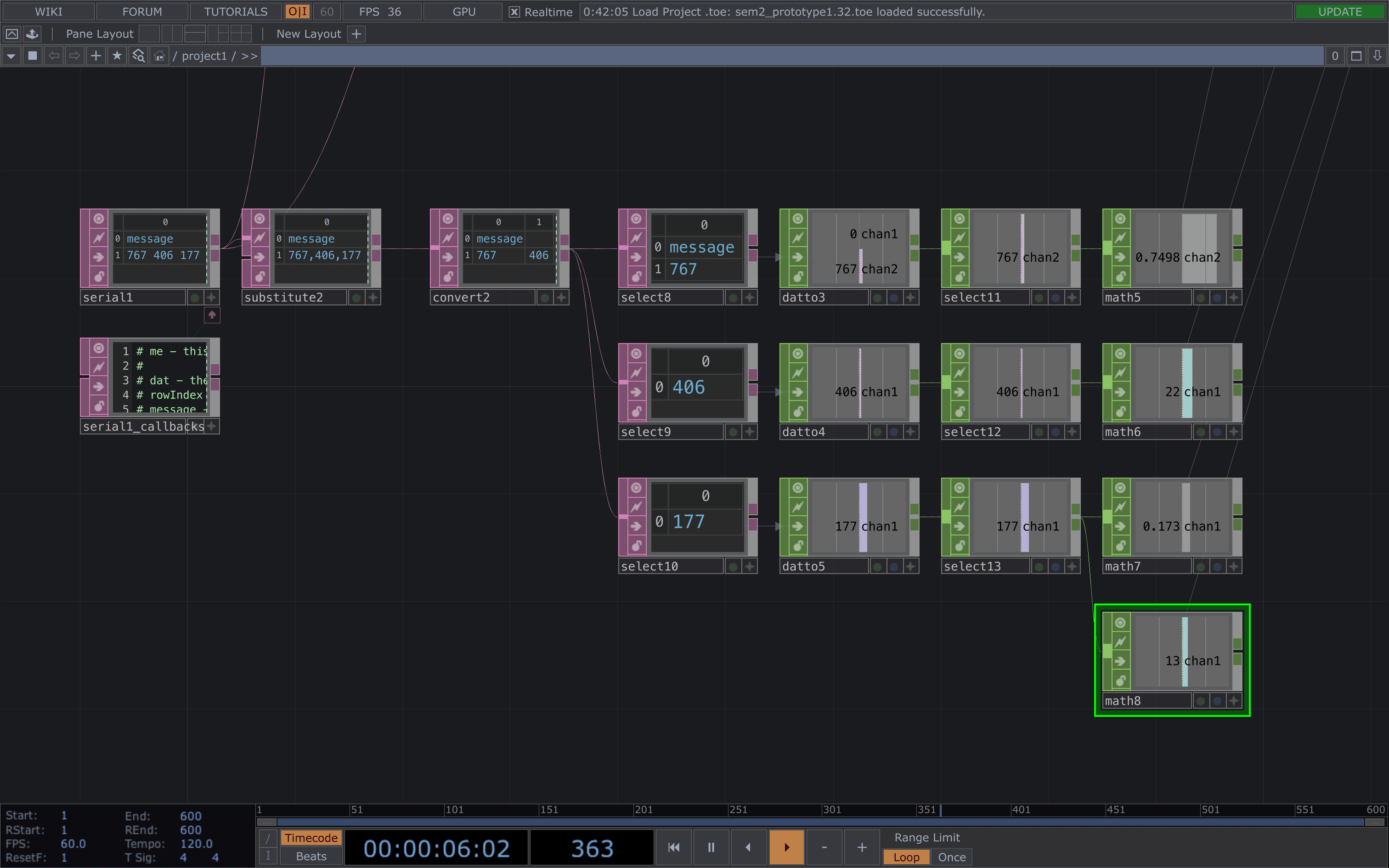
Initially, I had programmed the three potentiometer values to stream separately and the values were serialised repetitively as (1, 2, 3, 1, 2, 3…). Jo suggested serialising all values into a single line of text, formatted as (1 2 3, 1 2 3…) and isolating to only one line in TouchDesigner (1 2 3).
We then converted the in-line text into a table which allowed the values to be separated into its own column. From there, I could map each column to a corresponding channel reliably. This resolved the issue and gave me a much clearer understanding of how data structuring affects system stability.
“STOP OVERTHINKING”
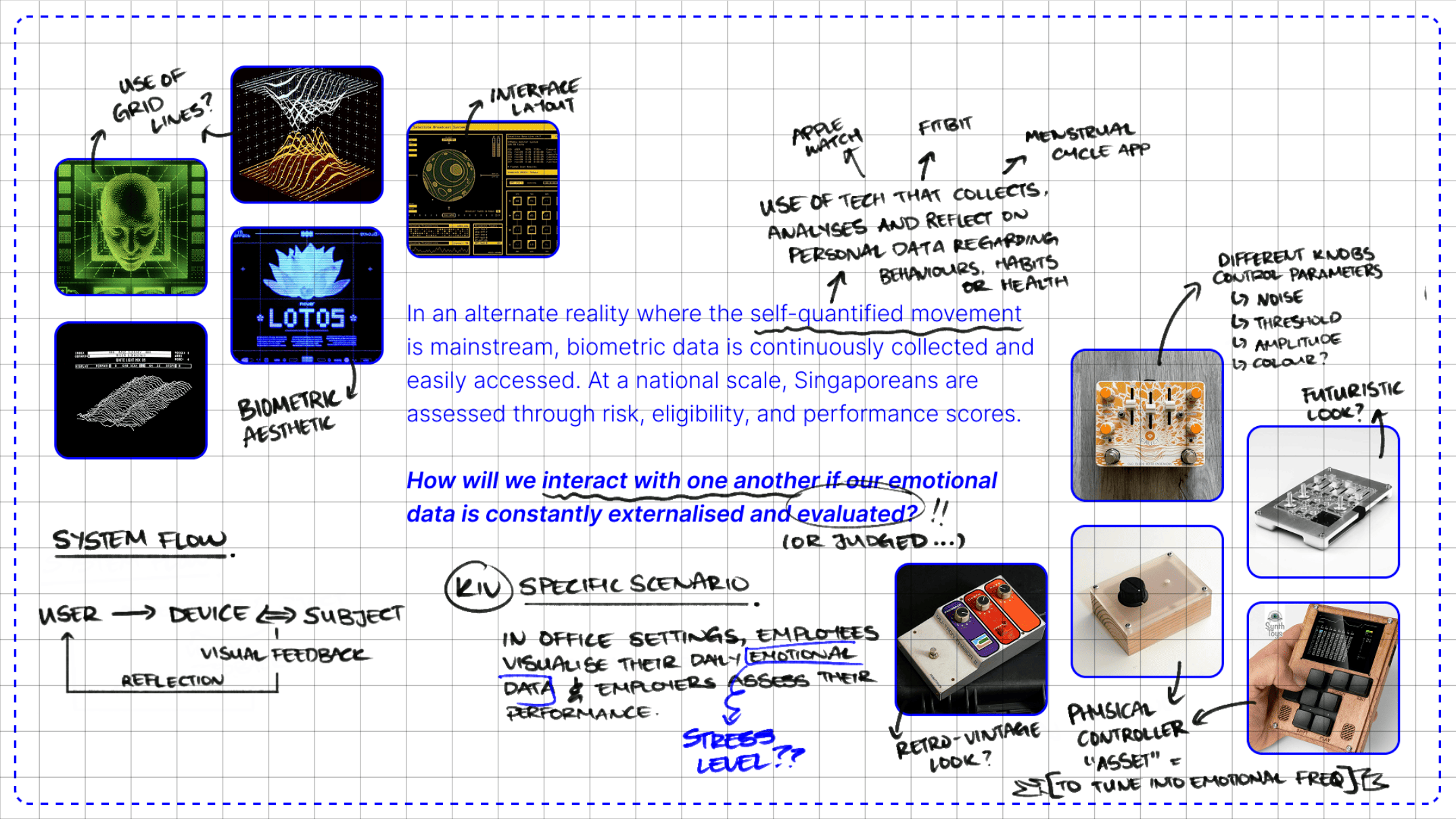
I also consulted Andreas about my ongoing dilemma regarding the graduation project. One realisation that came out of this conversation was my tendency to overthink and my difficulty in translating my thoughts into clear words. Below is a sketch of my thoughts;
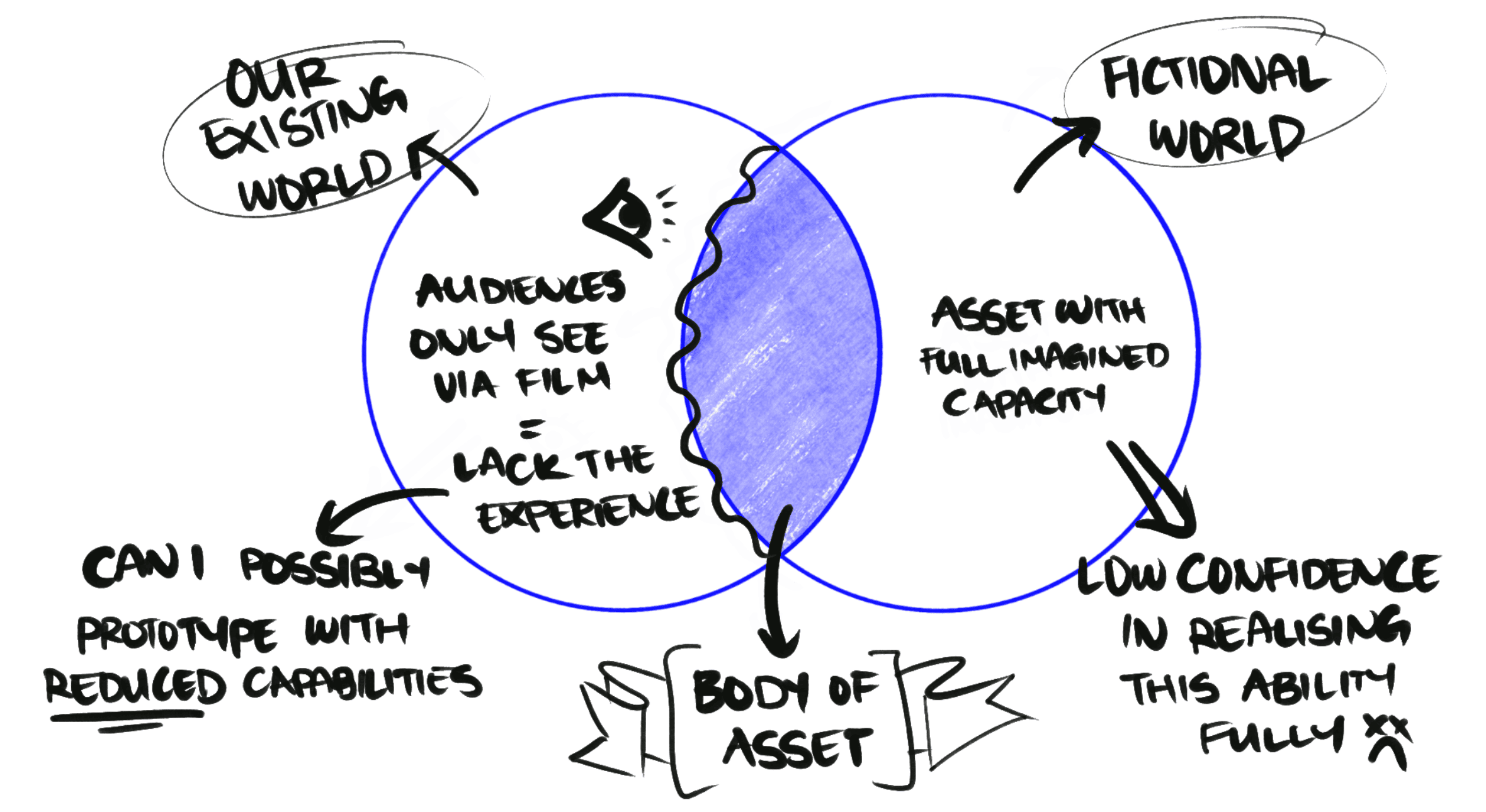
Initially, Andreas suggested that my outcome would exist as an ‘asset’ within a film, to which he emphasised that the ‘asset’ does not necessarily need to fully function since the film would “sell” the idea. However, my concern for Open Studios was that audiences might only see how the asset works within a fictional narrative, not in our present reality.
In response, Andreas advised me to focus on making the ‘asset’ work first and only worry about the film when the time comes. This helped ground me. Instead of trying to resolve everything at once, I decided to slow down and approach the project step by step;
① Establish the fictional world
② Define the type of ‘asset’ and what it is meant to provoke
③ Develop the visual system on TouchDesigner
④ Build and compute the prototype of the ‘asset’ with Arduino
I plan to work around this idea over the coming week. More importantly, I hope I do not panic again and trust the process as it unfolds.